Showing posts with label Thai Basil. Show all posts

Wednesday, July 17, 2024

July 18, 2024 - This Week's Box Contents Featuring Thai Basil


What's In The Box

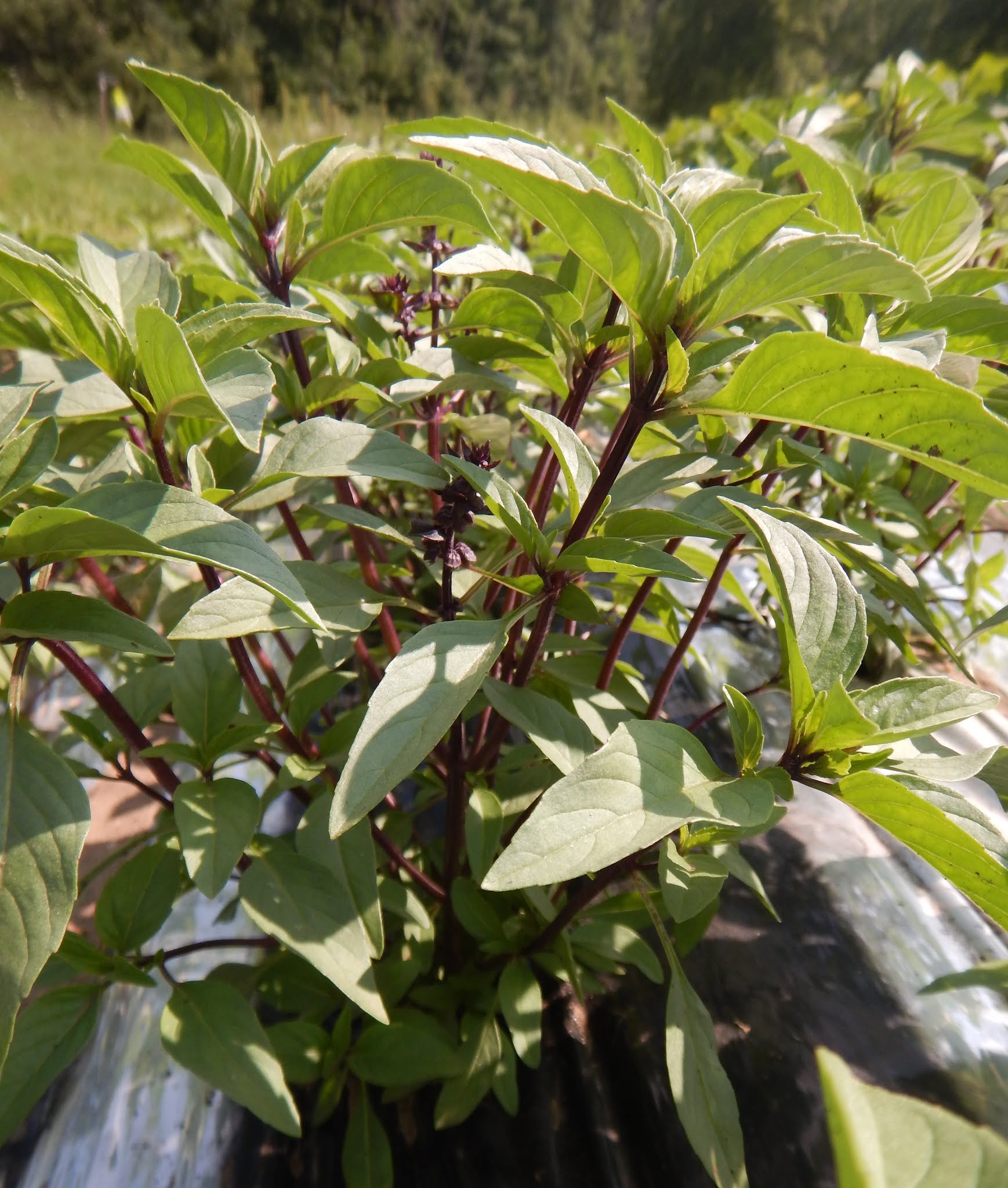
Thai Basil: This is a unique variety of basil characterized by purple stems, more slender and pointed leaves and a flavor that is a combo of Italian basil and licorice. To store this basil until you are ready to use it, put the stems (cut side down) in a glass of clean water and keep it at room temperature. If you store it in the refrigerator, keep it in the warmest part of your refrigerator and/or wrap it with a kitchen towel to insulate it a bit so it does not succumb to chill injury.


Fresh Italian Garlic: This week’s garlic is still considered “fresh” and as such you’ll notice the cloves are still very plump and juicy. While the outer skin is partially dry, it’s still not fully “cured.” Store it at room temperature until you are ready to use it.


Fresh White Onions: This week’s onion variety is called Sierra Blanca and it is known for being a more mild, yet flavorful onion intended for eating fresh as it does not have a thick skin to facilitate storage. We like to call this a “burger onion” as thin slices of this raw onion are the perfect match for a grilled burger, as well as other sandwiches.


Broccoli: This staple vegetable is loaded with valuable nutrients to support overall health, but it’s also very versatile in use. Turn it into soup, add to stir-fry, eat it raw in salads, add it to casseroles and hot dishes, or include it in your morning scramble or breakfast casserole.


Cauliflower: Use cauliflower raw in salads or incorporate it into a less traditional use by turning it into baked goods such as dinner rolls and pizza crust!


Silver/Green Slicer Cucumbers or Zucchini and/or Scallopini Squash: Our zucchini/scallopini field is producing better this week than last, for which we are grateful. Cucumber production is still on the low side this week, so your box will contain either zucchini and/or scallopini squash or Green and/or silver slicer cucumbers.


Lacinato Kale: Kale is a great option for summer “green” salads. Allow enough time for the kale to marinate a bit as this process will soften the leaves. The nice thing about kale salads is they hold up better making them a good option to take on road trips, picnics and to cookouts! 


Green Top Orange Carrots: Enjoy the sweetness of these fresh carrots by adding them to raw salads or just eating them as a snack. Turn the carrot tops into chimichurri to serve alongside grilled fish, chicken, or beef. Alternatively, save the carrot tops and add them to your next batch of homemade broth!


Green and/or Yellow Beans: Cook beans with onions, garlic, new potatoes, and a smoked ham hock for a simple Southern-style recipe that may be served as a side dish or the main event! 


New Potatoes: “New” potatoes refer to the fact that these potatoes were harvested off of green vines. As such, the skin on the potatoes is very thin and delicate. The flesh of the potatoes has a high moisture content so you’ll find they are very crispy when you cut them raw. Once cooked, take a moment to notice their delicate flavor which is different than that of stored potatoes. Store these potatoes in the refrigerator and use within a week.


Green Top Red Beets: Roast the beet roots and add them to summer salads. Use the greens raw in salads, add them to smoothies and/or green juices, or use them in any dish that calls for Swiss Chard as they are very similar.


Fennel: Our second crop of fennel is finally ready! All parts of the fennel are usable, including the bulb, stems and feathery fronds. Fennel may be used raw or cooked. When raw the flavor is more pungent and forward, whereas once it is cooked, the flavor mellows.


Recipe Suggestions & Inspiration For This Week’s Box Contents

Thai Basil Lemonade

Thai Basil Pesto with Peanuts

Thai Spring Rolls

Thai Basil Gimlet

Thai Basil Sangria

Mint & Thai Basil Gelato

Incredibly Delicious Cheese Garlic Bread Spread

Pasta with Zucchini, Roasted Garlic & Basil

Grilled Cheese & Sweet Onion Sandwiches

Easy Broccoli Egg Bake

Kid-Friendly Broccoli & Cheese Breakfast Quesadillas

12 Best Broccoli Casserole Recipes

Roasted Cauliflower Salad with Lemon Tahini Dressing

Cauliflower Potato Salad

Cauliflower Onion Rolls

How to make the Best Cauliflower Pizza Crust

Zucchini Taco Boats

Raw Tuscan Kale Salad

Shredded Beet & Kale Salad with Dried Cherries & Pepitas

Southern-Style Green Beans & Potatoes

Sesame Ginger Carrot Salad

Vietnamese Carrot Salad

Smoky Black Bean Beet Burgers

Roasted Beet & Goat Cheese Sandwiches

Pasta with Golden Fennel

Summer Vegetable Lasagna Casserole

Simple Fennel Salad with Lemon


Vegetable Feature: Thai Basil

Thai Basil Lemonade....this 
recipe is so delicious!!
Thai basil is a unique herb that is actually a member of the mint family. It’s characterized by thin, slender, pointy green leaves that grow on dark purple stems. The plants also have purple flowers which are edible and usable when they are young and tender. Thai basil has a flavor that is kind of a combination of basil along with a subtle anise or licorice flavor.

Preparation & Use
To use Thai basil, pluck the leaves and tender flowers off the stem. The stems are not very fragrant, so you can discard the stems. Thai basil is often used in the cuisine of southeast Asian countries including recipes and dishes from Thailand, Vietnam and Laos. You’ll often see it used along with a variety of other herbs including cilantro, sweet basil, and mint. Whole or roughly torn leaves are often used in fresh vegetable salads, but are also used in spring rolls or added at the end of cooking to stir-fries and curries. You may also add it to dishes such as a traditional Vietnamese Pho as well as soup, noodle or rice dishes. You can also use it to make fragrant beverages such as lemonade, hot or cold tea or cocktails.

In addition to the herbs listed previously, Thai basil also pairs well with garlic, ginger, lemongrass, chiles, limes, coconut, curry, eggplant, winter and summer squash, peppers, cucumbers, peanuts and cashews to name just a few ingredients.
Storage
Thai basil is a more perishable vegetable once it is harvested. For best results, use it within a few days after receiving it. For optimal storage, put the cut end of the stems in a glass of fresh water and store it at room temperature until you are ready to use it.


Thai Coconut & Summer Vegetable Soup

Yield:  4-6 servings

This week’s recipe is not a “traditional” recipe, but it is inspired by the flavors used in Thai cuisine.  This is a great CSA box recipe as it is adaptable and utilizes a lot of vegetables!  At the end of the recipe I have included a note with some ideas for adapting this recipe to your liking.  If you are not familiar with using red or green curry paste, you can find this item in most grocery stores in the “Asian Foods” section.  It’s typically in a small jar near items such as coconut milk, soy sauce, rice noodles, etc.  It’s a quick and easy way to add flavor to soups, stews, etc.  I like the spiciness of red curry paste, so that’s what I usually keep on my shelf.  I find green curry paste to be more mild and subtle in flavor.

2 Tbsp coconut oil
1 cup white onion, small dice
1 cup carrots, small dice
1 cup fennel, small dice
2 cloves garlic, minced
1 Tbsp fresh ginger, minced
3 Tbsp green or red curry paste
2 cups vegetable broth
1 can (13.5 oz) coconut milk
2 cups mushrooms, sliced
1 cup broccoli or cauliflower, bite sized pieces
1 cup green beans, bite sized pieces
1 cup zucchini, small dice
2 tsp salt, plus more to taste
Freshly ground black pepper, to taste
2 Tbsp fish sauce
½ Tbsp maple syrup
1 cup Thai basil, thinly sliced
Fresh lime wedges, for serving
  1. In a 4-quart soup pot, heat coconut oil over medium-high heat.
  2. Sauté onions, carrots and fennel until tender.
  3. Add garlic and ginger and sauté for a few more minutes.
  4. Stir in curry paste to coat the vegetables and sauté for a few minutes.
  5. Add coconut milk, vegetable broth, mushrooms, broccoli and/or cauliflower, green beans, zucchini, salt and black pepper.  Stir to combine.
  6. Bring to a boil, then reduce heat to low.  Add the fish sauce and maple syrup.
  7. Simmer for 15-20 minutes, or until vegetables are cooked to your desired tenderness.
  8. Taste the soup and adjust the seasoning to your liking with additional salt, black pepper, maple syrup and/or fish sauce.
  9. Remove from heat and stir in the Thai basil.  Serve warm, with fresh lime wedges.
NOTE:  You can build on this basic recipe if you wish.  You may choose to serve it with either steamed rice or rice noodles.  Additionally, you may choose to add protein such as fish, chicken or tofu.  Of course, you can adapt the vegetables depending upon what you have available in season.  Just make sure you have some sort of aromatic base (onions, garlic, ginger, carrots, fennel, celery, or celeriac).  Aside from that, you could add peppers, sweet corn, eggplant, winter squash, sweet potatoes, etc.  

Recipe Adapted from Traci Antonovich at www.thekitchengirl.com.

Wednesday, July 21, 2021

July 22, 2021 - This Week's Box Contents, Featuring Thai Basil!


Cooking With This Week's Box

Porcelain Garlic:
Homemade Garlic Butter Rolls
Creamy Garlic Herb Chicken

Sweet White Onions:
Onion Sandwich
Cucumber Sweet Onion Salsa

Zucchini and/or Sunburst Scallopini Squash:
Savory Zucchini Pies: 5 Easy Recipes
Cinnamon Sugar Zucchini Coffee Cake

Broccoli:
Instant Pot Broccoli Cheddar Soup (made summer style with zucchini & carrots)
Sicilian Broccoli & Cauliflower Pasta

White Cauliflower:
Pesto Roasted Cauliflower
Cauliflower Risotto

Green Top Carrots:
Carrot Salad with Thai Basil, Lime and Toasted Sesame Oil
Easy Carrot Fritters

New Red Potatoes:
Crispy Garlic Butter Parmesan Smashed Potatoes
Sheet Pan Garlic Herb Butter Chicken & Potatoes

Thai Basil:
Thai Basil Lemonade (See Below)
Thai Basil Pesto with Peanuts (See Below)

Yellow OR Green Beans:
Roasted Green Beans and Mushrooms
Yellow Beans with Garlic, Dill and Parsley

Eggplant:
20 Eggplant Recipes for the Weekend
Eggplant Caviar on Grilled Bread

Green Top Red Beets:
Peach and Beet Salad
Roasted Salmon, Beets & Potatoes with Horseradish Cream

Hello Everyone!

The contents of the box are shifting to some of our peak summer selections including beans and eggplant this week.  The tomatoes are just starting to ripen alongside the tomatillos that are starting to fill out their husks.  A hop, skip and a jump down the field we have some nice bell peppers set on.  Within the next couple of weeks you’ll start seeing these items in your box along with sweet corn!  That’s just a little glimpse of what’s to come, but this week we’re excited to be featuring a unique summer herb, Thai Basil!

Carrot Salad with Thai Basil, Lime and Roasted Sesame Oil
photo from plantydelights.com
In our end of season survey last year some members requested that we grow different varieties of basil in addition to the traditional Italian basil.  So, in response to that request we added Thai basil to our planting plan this year.  I’ve included two simple recipes using Thai basil.  The first, Thai Basil Lemonade (See Below), is a fun way to enjoy the subtle, yet complex flavor of Thai basil.  The second recipe for Thai Basil Pesto with Peanuts (See below) is a bit more of a bold recipe, but it’s so delicious!  The recipe is scaled for the quantity of Thai basil in your box this week and will yield about ½ cup of pesto.  This is plenty to toss with noodles for 3-4 servings, or you can serve it as a condiment with grilled fish, chicken or steak.  It would also be delicious tossed with roasted cauliflower or carrots.  If you need a larger quantity of pesto, you could double the recipe and use cilantro, Italian basil, mint or any combination of these along with the Thai basil to complete the quantity.  All of these herbs are complementary and are often used together in recipes coming from southeast Asian cuisine.  If you aren’t interested in either of these recipes, take a look at this week’s vegetable feature article where I’ve included more recipe links!

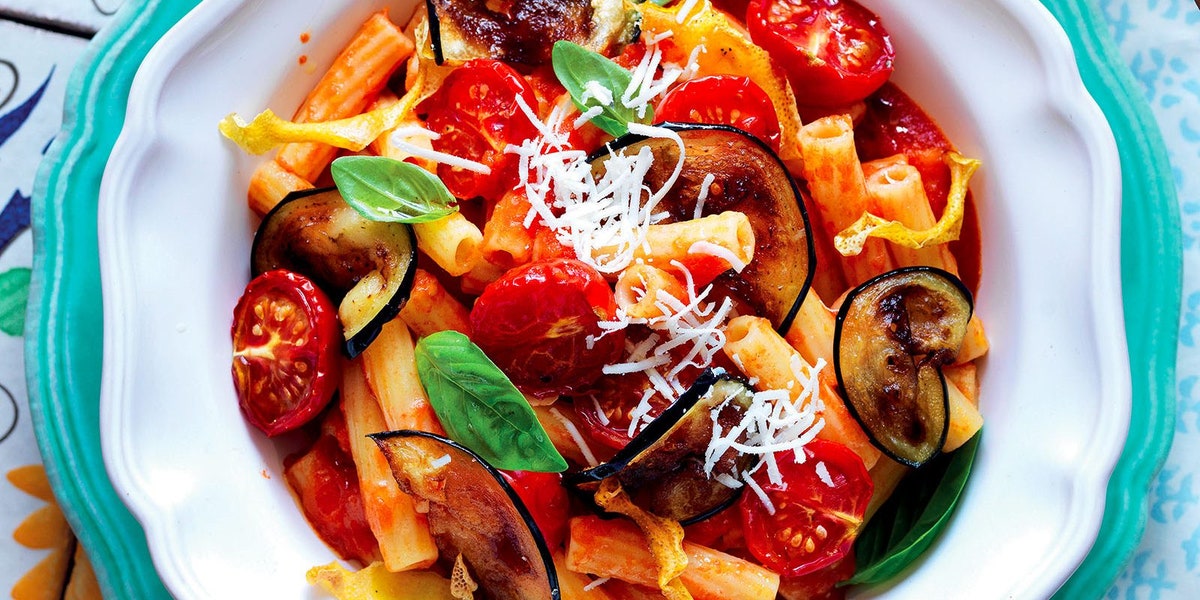
Pasta alla Norma, photo from lacucinaitaliana.com
Eggplant is making it’s entrance this week and I wish you could see this field!  The plants are big, beautiful and healthy with vibrant blossoms in a variety of shades of purple.  The fruit is gorgeous and glossy in appearance right now making it a stunning crop to walk through.  The key to eggplant is making sure you cook, bake or roast it until it’s not just tender, but silky and smooth.  To get you started, take a look at this article for “20 Eggplant Recipes for the Weekend."  You could also make this super simple recipe for Eggplant Caviaron Grilled Bread, a recipe concept credited to Alice Waters and Chez Panisse Restaurant.

photo from azestybite.com
This past week I whipped up a batch of pesto with the bag of Italian basil from last week’s box.  It had been sitting on my counter for a few days and was starting to get pretty wilted.  You would never have known what it looked like after I turned it into the most delicious pesto along with a lot of fresh garlic!  I’ve used the pesto in a variety of ways including as a spread on chicken sandwiches and as a snack on crackers topped with a piece of gouda and a sliver of salami.  Earlier this week we needed a quick dinner so I decided to toss cauliflower florets with some oil and a few spoonfuls of pesto and popped it in the oven to roast it.  After Richard and I finished off the entire head of cauliflower for dinner we found ourselves wishing there were more!  Why haven’t I done this before!?  Trust me, it’s simple and delicious and thankfully someone else thought about doing it too so I’ve included their recipe for Pesto Roasted Cauliflower to guide you!

Savory Zucchini Pie with Stracchino
photo from lacucinaitaliana.com
Our second crop of zucchini is kicking into production this week.  Hang on as we ride the second wave of zucchini!  If you think you’ve made everything you can possibly make with zucchini, think again!  This week I’ve included a link to an article featuring “Savory Zucchini Pies:  5 Easy Recipes."  If you’re feeling more like something on the sweet side of the fence, check out this recipe for Cinnamon Sugar Zucchini Coffee Cake.

Ok, I’m going to wrap it up for this week.  I hope you enjoy working with the Thai basil this week.  We hope to include it in another box, possibly even next week if there’s some remaining after this week’s harvest.  If you find more than one or two recipes you’d like to try with the basil, tuck them away and make them with the next round.  Have a great week and I’ll see you back here next week!---Chef Andrea

Vegetable Feature: Thai Basil

By:  Chef Andrea Yoder

Description: Thai basil is a unique herb that is actually a member of the mint family.  It’s characterized by thin, slender, pointy green leaves that grow on dark purple stems.  The plants also have purple flowers which are edible and usable when they are young and tender.  Thai basil has a flavor that is kind of a combination of basil along with a subtle anise or licorice flavor.

Preparation & Use: To use Thai basil, pluck the leaves and tender flowers off the stem.  The stems are not very fragrant, so you can discard the stems.  Thai basil is often used in the cuisine of southeast Asian countries including recipes and dishes from Thailand, Vietnam and Laos.  You’ll often see it used along with a variety of other herbs including cilantro, sweet basil, and mint.  Whole or roughly torn leaves are often used in fresh vegetable salads, but are also used in spring rolls or added at the end of cooking to stir-fries and curries.  You may also add it to dishes such as a traditional Vietnamese Pho as well as soup, noodle or rice dishes.  You can also use it to make fragrant beverages such as lemonade, hot or cold tea or cocktails.

Thai Basil Chicken Stir Fry
photo from recipetineats.com
In addition to the herbs listed previously, Thai basil also pairs well with garlic, ginger, lemongrass, chiles, limes, coconut, curry, eggplant, winter and summer squash, peppers, cucumbers, peanuts and cashews to name just a few ingredients.

This week’s box contains a 1 ½ ounce portion which will yield about 1 cup of loosely packed leaves.

Storage: Thai basil is a more perishable vegetable once it is harvested.  For best results, use it within a few days after receiving it.  For optimal storage, put the cut end of the stems in a glass of fresh water and store it at room temperature until you are ready to use it.

If this herb is new to you, here are 15 Thai Basil Recipe ideas to get you started!

Thai Basil Pesto with Peanuts


Yield:  ½ cup

2 cloves garlic
2 Tbsp dry roasted peanuts
1 cup Thai basil leaves, lightly packed
1 ½ Tbsp toasted sesame oil
2 tsp rice vinegar
¼ tsp red pepper flakes (or to taste)
1 tsp maple syrup
½ to 1 tsp soy sauce
2 tsp lime juice
Salt, to taste
  1. Place the garlic and peanuts in the bowl of a food processor and process briefly to coarsely chop the garlic and peanuts.  Add the Thai basil, sesame oil, rice vinegar, red pepper flakes, maple syrup, ½ tsp soy sauce and lime juice.
  2. Process until it is mostly smooth, or to your preferred consistency.  Taste and adjust to your preferences by adding salt, additional soy sauce and/or rice vinegar as needed.
  3. Serve immediately or refrigerate until ready for use.
Serving Suggestions:
  • Toss with cooked rice noodles, soba noodles, ramen or egg noodles.
  • Serve as a condiment with grilled steak, fish or chicken.
  • Toss with vegetables such as cauliflower, carrots and/or mushrooms and roast until tender.
  • Add a spoonful to stir-fried vegetables and serve with rice.
Recipe adapted slightly from Jordan Kenna’s recipe featured at tasty.co

Thai Basil Lemonade


Yield: 6 servings

6 large lemons
¾-1 cup sugar
½-⅔ cup loosely packed Thai basil leaves
6-8 cups of water 
Ice

1. First cut two of the lemons into quarters and remove the seeds.  Place the quartered lemons in a large bowl along with the sugar and basil.  If you like really sweet lemonade, use one cup of sugar.  If you prefer a more tart lemonade, start with ¾ cup of sugar.  Use a muddler or a wooden spoon to smash the sugar, basil and lemons together until the mixture becomes fragrant and the sugar starts to dissolve in the juices extracted from the lemons, about 2 to 3 minutes.  Once muddled, put the basil mixture in a large jar or pitcher.


Before Muddling

After Muddling

2. Juice the remaining 4 lemons.  You will need 1 cup of lemon juice.  If your lemons do not yield one cup, juice more lemons until you have a cup of juice.

3. Add the cup of lemon juice to the jar or pitcher along with 6 cups of water.  Cover and refrigerate for a minimum of two hours or overnight.  

4. Strain the lemonade into a pitcher and taste it.  If it is too concentrated, add 1-2 cups more water.  Serve chilled over ice.

Recipe adapted from rachaelraymag.com