Showing posts with label Jicama. Show all posts

Wednesday, October 4, 2023

October 5, 2023 - This Week's Box Contents Featuring Jicama


Cooking With This Week's Box

Jicama:  
Jicama & Orange Salad with Citrus-Cumin Vinaigrette (See below)

Baby White Turnips:  

Tropical Creamsicle Smoothie
Photo from realsimple.com
Orange Carrots:  

Yellow Onions:  

Italian Garlic:  

Red & Orange Italian Frying Peppers:  

Jalapeno Peppers:  

Variety of Tomatoes:  

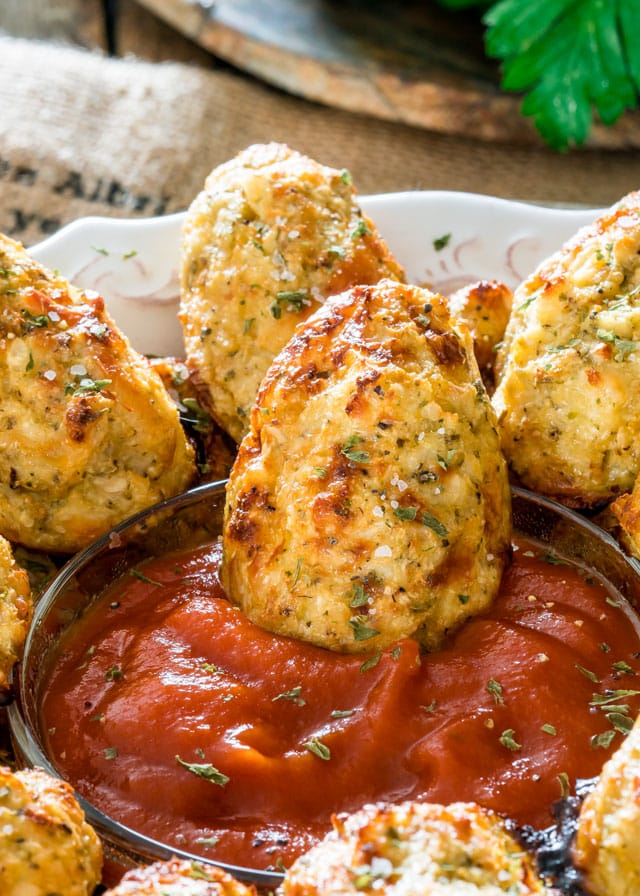
Cheesy Cauliflower Tots
Photo from jocooks.com
Cauliflower OR  Broccoli Romanesco:  

Broccoli:

Baby Spinach OR OR Salad Mix:  

Cilantro:  

Iceberg OR Green Boston Lettuce:  

Hello Everyone!

We are kicking off October with a very busy harvest schedule!  We’re facing our first frost pretty soon, so one of our priority harvests this week was to get all of the Jicama dug!  We were pleased with the results of this year’s harvest and we’re excited to share this unique vegetable with you this week.  Jicama is a simple vegetable, so it’s best to enjoy it in a simple preparation.  This week’s featured recipe is for Jicama & Orange Salad with Citrus-Cumin Vinaigrette (See below).  I also included links to several other recipes that utilize jicama along with some of the other vegetables in this week’s box.  I’m looking forward to trying this Jicama & Apple Spinach Salad with Honey Dijon Dressing.  I also want to try this Pineapple Jicama Salsa.
Pineapple Jicama Salsa
Photo from itsavegworldafterall.com

We are nearly finished with tomatoes and peppers for the season, so savor the final few meals where we can enjoy them in their fresh state.  This Spinach Salad with Tomatoes, Mozzarella & Pepperoni  has Richard’s name all over it!  In addition to fresh salads, I also included several tasty main entrees such as Creamy Roasted Red Pepper Pasta and  Curried Lentil, Tomato & Coconut Soup.

The last thing I want to mention are these unique carrot recipes.  I don’t often think to put carrots in beverages, but I want to try this Tropical Creamsicle Smoothie and this Carrot Ginger Soda looks fun!

We’re hoping to start harvesting sweet potatoes within the next week.  Wish us luck and know that they’ll likely  be in your box before the end of October!  We’re also going to take a sneak peak at this year’s baby ginger crop.  If it’s big enough, we may harvest within the next few weeks as we need to change the plastic on the greenhouse we use to grow the ginger.  Never a dull moment during fall harvest season!  

Have a great week—Chef Andrea 

Vegetable Feature: Jicama

by Andrea Yoder

Jicama in the field
Jicama is the odd-shaped vegetable with brown skin occupying one corner of this week’s CSA box. It is also known as yam bean, Mexican yam or Mexican turnip and is native to Mexico. The name of this vegetable is pronounced HICK-uh-mah or HEE-kuh-mah. It is a tropical plant that resembles a bean plant with bean-like vines and seed pods. The jicama grows underground and is a tuber that can produce multiple tubers off the one main stem. On the outside jicama is not the most attractive or flashy vegetable. Peel away the brown, leathery skin and you’ll find a solid white flesh inside that is mild in flavor, crunchy with a slight sweetness and slightly starchy.  

You can eat jicama both raw and cooked. One of the most basic ways to eat jicama, and a common street food, is to slice it into sticks and give it a squeeze of lime juice and a light sprinkling of chili powder and salt. Jicama also pairs well with fruit including citrus (oranges, grapefruit, limes), pineapple, mango, and apples. It is common to see jicama slaws, salads and salsas that also include fruit. It also pairs well with avocado, hot, and sweet peppers, cilantro, tomatoes, seafood, onions, and garlic to name just a few complementary ingredients. In Asian cuisine you may find jicama used in stir-fry type preparations. When stir-fried, jicama should be added towards the end of cooking to retain the crisp texture. If you let it get just slightly soft, it has almost a potato-like flavor and texture.  

2023 Jicama Harvest!
We don’t grow jicama every year, but it has a permanent spot on our list of unique vegetables we grow from time to time.  We grow jicama in the field on beds covered with green plastic mulch. We use a growing method similar to what we do for sweet potatoes, given they are both tropical plants.  About a week before harvest, we cut all of the vines off the plants in an effort to “cure” them.  The objective of this process is to set the skins, so they are less susceptible to injury when harvesting as well as to enhance the shelf life.  While jicama does have the ability to be stored for a while, we recommend you enjoy it within a week or so for optimal quality.                                                                                                                                                       Jicama is very sensitive to chill injury, so it is best to store it on your kitchen counter until you are ready to use it.  If you store it in the refrigerator, you’ll notice the quality will deteriorate quite quickly.  Once you cut into it, store any cut jicama in the refrigerator and eat it within a few days. We hope you enjoy trying something different this week! 

Jicama and Orange Salad with Citrus-Cumin Vinaigrette

Yield:  4 servings
Citrus-Cumin Vinaigrette:
1 tsp cumin seeds
½ cup freshly squeezed orange juice
2 Tbsp freshly squeezed lime juice
1 Tbsp extra-virgin olive oil
1 Tbsp honey
2 tsp Dijon mustard
Freshly ground black pepper, to taste
Salt, to taste

Salad:
2 oranges
1 ½ pounds jicama, peeled and julienned
3-4 ounces baby spinach
  1. First prepare the vinaigrette. Toast cumin seeds in a small skillet over medium-high heat until fragrant, about 2 minutes. Remove from heat; cool slightly.  Transfer to a spice grinder, and process until finely ground. (Alternatively, substitute with 1 tsp pre-ground cumin)
  2. Combine all vinaigrette ingredients in the jar of a blender, blend until smooth.  Set it aside until you are ready to dress the salad. If you have any extra vinaigrette, store in the refrigerator up to 3 days.
  3. Using a sharp knife, cut both ends off the oranges, and remove the peel and pith. Slice the peeled fruit crosswise into ¼-inch rounds and remove any seeds. Transfer slices to a large bowl and combine with jicama and spinach.  Toss with the vinaigrette and serve immediately.
Recipe borrowed from Martha Stewart Living Annual Recipes 2003.

Wednesday, September 25, 2019

September 26, 2019 - This Week's Box Contents, Featuring Jicama!

Cooking With This Week's Box


Italian Garlic: Honey Fermented Garlic


Green Boston OR Red Batavia Head Lettuce: Black Bean Vegetarian Lettuce Wraps

Jalapeno Peppers: Jicama and Carrot Slaw with Honey Lime Dressing (see below); Jalapeno Popper Deviled Eggs

Broccoli Romanesco or Cauliflower: Cauliflower Slaw


Purple or Orange Carrots: Jicama and Carrot Slaw with Honey Lime Dressing (see below)

Jicama: Baked Jicama Chips (see below); Jicama and Carrot Slaw with Honey Lime Dressing (see below)

Cilantro:  Jicama and Carrot Slaw with Honey Lime Dressing (see below)


Black Bean Vegetarian Lettuce Wraps
photo from acouplecooks.com
Welcome to another week of CSA eating!  This week’s vegetable treasure is a bit less flashy than most vegetables.  Jicama is a humble vegetable, but one we’ve come to love and appreciate—both because we like to eat it and because we like the challenge of growing it!  It’s often eaten raw as a snack or used in raw salads and slaws.  One of this week’s featured recipes is for Jicama and Carrot Slaw with Honey Lime Dressing (see below).  Eat this on its own as an accompaniment to a sandwich or bowl of soup, or use it as a topping on tacos or even a lettuce wrap.  This recipe for Black Bean Vegetarian Lettuce Wraps calls for serving them with a mango salsa, but they’d also be good with the Jicama Carrot Slaw!  The second featured recipe is a simple one, Baked Jicama Chips (see below).  Everyone loves a good vegetable chip and of course every chip needs a dip.  My suggestion is to turn the poblanos in this week’s box into Caramelized Onion & Roasted Poblano Dip.   I’ve mentioned this recipe in previous years because it’s a good one and is on my favorites list!  It’s a good dip for chips, but it’s also good on baked potatoes, spread on sandwiches, and stirred into scrambled eggs.

We’re moving into fall greens and that means leafy green salads are back on the menu!  This week’s boxes will contain either spinach or baby arugula.  Fall greens go very nicely with fall fruit such as pears and apples.  This week I have two suggestions for fruity greens salads.  The first is an Apple Cranberry Spinach Salad.  This salad features fresh apple, dried cranberries, walnuts, feta  and a honey-dijon dressing that is more of a vinaigrette than a creamy dressing.  You can eat this as a side salad or add some cooked chicken and turn it into a main dish salad.  The second recipe is an Arugula Salad with Pears, Prosciutto and Aged Gouda.  This is a slightly different take on a dijon based vinaigrette, which is a nice contrast to the fattiness of the prosciutto and gouda as well as the sweet pears.  Of course, you can mix and match your greens in these two salads.

Balsamic Vinaigrette, photo from barefeetinthekitchen.com
We also have salad mix this week!  I like to keep a jar of one of my favorite, basic salad dressings handy for quick salads on the fly.  One of my favorite go-to recipes is for Balsamic Vinaigrette.  If you have a jar of this in the refrigerator, you can build a quick salad in no time at all!  Toss it with some fresh salad mix and then start adding toppings as you wish.  You might include some thinly sliced red onion, sweet peppers, shredded carrots, dried or fresh fruit, toasted almonds, and the list could go on!

Last week we featured broccoli raab along with a recipe for Mediterranean Gratin with Almond Breadcrumbs.  This is a baked pasta dish that is more on the lean side, not cream based.  If you prefer cream based, try this recipe for Baked Pasta with Broccoli Raab and Sausage.

Sadly, this is our last week for leeks.  One of our members used her leeks last week to make this classic leek dish, Leeks Vinaigrette.  I have to mention it because it is not only a simple, classic way to prepare leeks, but also because she said it’s kid-approved and accepted!  Of course, I can’t resist a good quiche and I love the way the silky leeks mix with the creamy custard of a quiche.  So, perhaps you’ll join me in making Leek & Mushroom Quiche.  Serve it for breakfast, dinner or brunch alongside this Cauliflower Slaw.  Of course you can substitute broccoli Romanesco for the cauliflower in this recipe.  This dish also includes some sweet, dried currants, toasted almonds, and a light vinegar based dressing.

Sausage & Egg Stuffed Sugar Dumpling Squash
photo from eatingwell.com
I do like eating vegetables for breakfast, especially winter squash.  Check out this recipe for Sausage & Egg Stuffed Sugar Dumpling Squash.  Of course, this dish could also be lunch or dinner as well.

Eggs are typically in abundance around here and Richard always loves a good deviled egg.  How about making these Jalapeno Popper Deviled Eggs!  Eat them as a snack, add them to a dinner menu, or pack them and take them for lunch!

Lastly, while food is our medicine on a day to day basis, sometimes during the winter cold and flu season we need a little extra immunity protection.  Start now and make this Honey Fermented Garlic.  Keep a jar of this in your kitchen and use it as your own homemade way to prevent and ward off colds, flu, etc this weekend.

That brings us to the bottom of the box.  Before I close, I want to extend one final invitation to you to join us at our Harvest Party this coming Sunday.  We’ll have lots of good food, games, activities and more.  We hope you’ll join us for the day and come prepared to reap the benefits of being immersed in nature!

Vegetable Feature: Jicama


Jicama is the odd-shaped vegetable with brown skin occupying one corner of this week’s CSA box.  It is also known as yam bean, Mexican yam or Mexican turnip and is native to Mexico.  The name of this vegetable is pronounced [HICK-uh-mah] or [HEE-kuh-mah].  It is a tropical plant that resembles a bean plant with bean-like vines and seed pods.  The jicama grows underground and is a tuber that can produce multiple tubers off the one main stem.

On the outside jicama is not the most attractive or flashy vegetable.  Peel away the brown, leathery skin and you’ll find a solid white flesh inside that is mild in flavor, crunchy with a slight sweetness and slightly starchy.  You can eat jicama both raw and cooked.  One of the most basic ways to eat jicama is to slice it into sticks and give it a squeeze of lime juice and a light sprinkling of chili powder and salt.  Jicama also pairs well with fruit including citrus (oranges, grapefruit, limes), pineapple, mango, and apples.  It is common to see jicama slaws, salads and salsas that also include fruit.  It also pairs well with avocado, hot and sweet peppers, cilantro, tomatoes, seafood, onions, and garlic to name just a few complementary ingredients.  In Asian cuisine you may find jicama used in stir-fry type preparations.  When stir-fried, jicama should be added towards the end of cooking to retain the crisp texture.  If you let it get just slightly soft, it has almost a potato-like flavor and texture.

When we first started growing jicama, we realized by accident just how important post-harvest handling is to the overall quality of the vegetable.  Jicama needs to be “cured,” similar to how we cure sweet potatoes after they are harvested.  We held the jicama in one of our greenhouses for a week after harvest at a temperature of 68-77°F with high humidity of about 95%.  This process helped to set the delicate skins so they will store better.  Jicama is very sensitive to chill injury, so it is best to store it on your kitchen counter until you are ready to use it.  If you store it in the refrigerator, you’ll notice the quality will deteriorate quite quickly.  Once you cut into it, store any cut jicama in the refrigerator and eat it within a few days.

JAC washing jicama
We can’t deliver jicama without giving credit to one of our crew members, Jose Antonio Cervantes Gutierrez (aka JAC).  JAC is responsible for introducing jicama to Harmony Valley Farm.  Without his influence, we likely wouldn’t be growing this vegetable!  One day we were working in the greenhouse and he presented me with a handful of seeds in a small packet.  He asked if I thought we could grow it here?  Well, I had no idea how to grow jicama and had only eaten it several times.  We decided to give it a try and after several years of learning we are finally getting good results!  I asked him why he brought those seeds with him when he came to work here that year.  There is a large farm not far from where he lives that grows large amounts of jicama.  He would pass by their fields, see the jicama and was intrigued by it.  He said he brought them because he had tried planting them at home, but couldn’t ever watch them grow because he had to leave to come here to work!  So, he brought the seeds with him so we could plant them here and he could watch them develop!  JAC’s favorite way to eat jicama is to eat it raw with a squeeze of lime juice and salt or lime juice and a sprinkling of Tajin, a seasoning mix made from salt and a specific type of chile.

We don’t grow jicama every year, but it has a permanent spot on our list of “vegetables we grow every 2-3 years.”  We’re grateful to JAC for introducing us to something new and we’re glad you, our members, have grown to appreciate it too!

Jicama and Carrot Slaw with Honey-Lime Dressing

picture from cookincanuck.com

Yield:  8 servings

1 Tbsp + 2 tsp fresh lime juice
¾ tsp honey
¼ tsp ground cumin
⅛ tsp salt
1 Tbsp + 2 tsp extra-virgin olive oil
1 pound jicama peeled & thinly sliced (1 small or half of a large)
2 large or 4 small carrots, grated
3 Tbsp minced cilantro
½ jalapeño pepper, seeded & minced
  1. In a small bowl, whisk together the lime juice, honey, cumin and salt.  Slowly whisk in the olive oil.  Set aside.
  2. In a large bowl, toss together the jicama, carrot, cilantro and jalapeño pepper.
  3. Add the dressing and toss to coat.  
Recipe borrowed from www.cookincanuck.com.

Baked Jicama Chips

photo from onegreenplanet.com

Yield:  4 servings

2 medium or 1 large jicama, peeled
2 tsp olive oil
Zest and juice of 2 limes
1 tsp chili powder
¼ tsp salt
  1. Preheat the oven to 375°F.  Line 2-3 baking sheets with parchment paper or baking racks if you have them.
  2. Cut the jicama into super thin slices.  Try to achieve similar thickness with all the pieces.  You can cut the jicama using a mandolin or just a sharp knife.
  3. In a large bowl, mix the olive oil, lime juice and zest, chili powder and salt.  Add the jicama slices, and mix well so that all the slices are fully coated.
  4. Place the slices of jicama in a single layer on the prepared baking sheets.  Bake for 25-30 minutes, turning halfway through cooking, or until they begin to brown and get crispy.
Recipe borrowed from onegreenplanet.org.

Wednesday, September 27, 2017

What a Party! A Recap of Our 2017 Harvest Party

By Farmer Richard

Members enjoying a light snack before the wagon tour!
One of our younger members
stretching to step over the drain!
Last Sunday we hosted our annual Fall Harvest Party and had a great day!  Preparation for this party starts days before with planning, sending out invitations, ordering food, supplies, etc.  Then, the Saturday before the party comes and we kick it into high gear to get everything ready.  Our crew still had harvest to do as we finished putting together our orders for the week, but we all worked together to get the jobs done and then spent the last few hours of Saturday washing the work tractors, loading wood crates onto harvest wagons for the tour and making sure we were “parade ready.”  The packing shed crew spiffed up their area, moved equipment out and moved picnic tables in as we prepared for the potluck.  Andrea spent all day preparing snacks and food including some delicious caramelized onion & roasted poblano dip, black bean salad with tomato vinaigrette, fig & apple chutney and purple tomatillo salsa!  Angel, Oscar and Ascencion spent much of the day preparing the underground brick oven and the pork so it could slow-roast overnight.  By the end of the day we were all tired, but excited for the next day and its activities.

We had some members who came on Saturday afternoon so they could camp out on Saturday night.  They set up their tents in our camping area by the river, built a nice fire for cooking and beat the heat with frequent dips in the river to keep cool.  Chris & Lisa (members from Madison) brought a super powerful telescope.  After the sun went down, we had clear skies which made for spectacular star gazing.  We could see Saturn with its rings, Jupiter and its moons and the Andromeda galaxy.  What a cool treat!  All of the campers seemed to enjoy their night with a few hooting owls and other night sounds. 

We enjoyed music performed by Dave & Ryan!
Sunday dawned, clear and warm for last minute set-up and preparations.  Michelle arrived and took over kitchen duties so Andrea was free to mix & mingle.  Scott, Gregorio and Manuel pitched in too to help grill tortillas, finish preparing the pork and make sure everything was ready for the potluck.  Our guests started arriving at noon and enjoyed snacks and the gentle music of the Sonic Love Child.  Dave, one of the band members, is a CSA member from Minneapolis.  Unfortunately the other members of his group weren’t able to come this year, but Dave recruited another musician friend (Ryan) who actually lives in Viroqua and the two of them played for us.  The kids enjoyed giving Captain Jack (the dog) pets on the head and tossed sticks for him.  Kids of all ages tried to guess the number of baby potatoes in the gallon jar.  The winner was Clara, a young CSA member who walked away with the big jar of potatoes to enjoy!

Farmer Richard showing members how to dig sweet potatoes!
Look at this sweet potato!
One of the larger sweet potato finds this year!
Finally, it was time for the field tour!  We had 3 full wagons with a headcount of about 100 people!  We set out for our first stop at the tomato/eggplant/pepper field by the river.  We parked in the shade and spread out to find our favorites.  Some went to tomatoes, others meandered down the rows of eggplant and many enjoyed snacking on bright, sweet, warm peppers!  It’s great to see kids wrestling peppers off a plant and tentatively tasting.  Finding it sweet, they look for more.  You know the expression “kid in a candy store?!”  Yes, it’s a little like that.  After we’d had our fill, we hopped back on the wagons and headed to the sweet potato field!  We passed a very nice field of broccoli and celeriac and stopped to dig sweet potatoes.  This is a much different harvesting experience, having to remove the vines and dig to loosen the dirt with a shovel in order to pull the sweet potato bunch from the dry ground.  We have several different varieties we’re trialing this year, so we dug in several different places to check on the progress of the different kinds.  We found some very nice sweet potatoes, but it was agreed that many were on the small side and needed another week or two to grow to their full potential!


Our next stop was the pumpkin field!  We picked as many as we could including some 20# Jack-O-Lanterns and many smaller “winter luxury” pie pumpkins.  There were plenty of pumpkins for everyone and many still remained in the field as we drove away.  While we would’ve liked to stay and keep picking, we had to get back to the farm for the potluck! 
Some Members prefer the smaller pumpkins.
And some liked the bigger ones!
Chef Andrea with her wee little pie pumpkin.


The roasted pork turned out great and we enjoyed it carnitas style on corn tortillas with cabbage slaw and salsa.  Rufino made a super spicy sauce that took some by surprise!  We filled our plates, making sure we saved room for ice cream brought by Madison member, Sarah!  We had had such a great day, but wait!  We still had more activities to do!  Captain Jack took a place on the sideline, exhausted from chasing sticks and Frisbees.  While he rested, Rafael took a group to test dig the fall carrot field.  His group came back with big bunches of nice orange, yellow, red and purple carrots.  Meanwhile I took a group to check out a magnificent bald-faced hornet nest in the tree behind the office.  We also took a walk through one of our prairie spaces to collect wildflower seeds.  We wandered up to the woods and foraged for hickory nuts and stumbled upon a small patch of ghost plants!  This is a rare and strange plant that is “ghostly white”, having no chlorophyll.  We ended the walk by swinging past the Concord grape vines where we paused to pick a few to pop in our mouths.  One final visit to the goats and ducks and then it was officially time to bring the party to a close and head home!  While we were off on our adventures, our dedicated crew had already started cleaning up the wagons and was getting the packing shed put back together so we’d be ready to hit the ground running first thing on Monday morning.
After the tours, members could go with Rafael to
see and dig some carrots to take home.


Some HVF Crew took breaks under
the wagon to cool off!


Farmer Richard talking with members about Jicama!

Thanks to those that made the time to come and visit us.  We enjoyed your company and enthusiasm and hope you too enjoyed your farm experience.  If you weren’t able to join us this year, mark your calendars for next year and join us for a super-fun day at the farm!  We also want to pass on a big “Thank You” to all of our crew members who pitched in and helped us put on another great party.  Now that the party is over, it’s back to work for another busy week of packing CSA boxes, harvesting root crops, tomatoes, peppers and more!  Hope to see you next year!

September 28, 2017 - This Week's Box Contents, Featuring Jicama


Cooking With This Week's Box 

Welcome back to another week of delicious cooking out of your CSA box.  This week’s box has a few special treats in it including this week’s featured vegetable which is jicama!  If you aren’t familiar with jicama, please take a few minutes to read this week’s vegetable feature.  While it can be eaten raw or cooked, I’m opting to eat it raw this week and have found two tasty and very simple salad recipes to share with you.  You may actually have enough jicama to give both a try!  The Jicama Apple Slaw (see below) recipe is made with tart Granny Smith apples and has a creamy dressing made with yogurt, lime juice and zest as well as a little heat from some jalapeno.  We included Granny Smith apples and limes in last week’s fruit box, so this might be a good recipe choice for members who also receive the fruit share.  The second recipe is for Thai Jicama & Red Onion Salad.  (See below) The author of this recipe recommends serving it with shrimp, but I think it would be delicious with any fish, seafood or even chicken. 

I came across two interesting recipes this week for broccoli and cauliflower.  The first recipe is Grilled Broccoli with Avocado and Sesame.  This is an interesting recipe that has several components to it that come together in the end.  Grilled broccoli is drizzled with a dressing made from avocado and tahini and then the salad is garnished with slices of red onion and a bit of pickled jalapeño.  This salad will make good use of not only the broccoli in this week’s box, but also will utilize the jalapeños and red onions.  Serve this salad as a main dish on its own or alongside grilled steak or chicken.  The other recipe I came across is for Parmesan Roasted Cauliflower with Garlic & Thyme.  With this recipe you roast whole cloves of garlic with the cauliflower along with some onions.  When you serve this dish, diners can squeeze the sweet roasted garlic out of its skins and eat it with the cauliflower or you can spread the roasted garlic on bread and to eat alongside the cauliflower.  Any color of cauliflower will work for this recipe. 

What are you going to do with that crispy head of iceberg lettuce!?  Iceberg lettuce is light enough to be refreshing, but strong enough to hold up to creamy dressings such as blue cheese, ranch and thousand island.  I’m going to go with a traditional Cobb Salad this week and will use a recipe featured in Saveur as my guide.  This recipe calls for half of a head of iceberg mixed with some romaine and watercress.  I’m going to just go with all iceberg lettuce and in place of the spicy watercress I’m going to add the flavorful, tender greens from the baby white turnips.  I’ll use the grape tomatoes for this salad as well and may supplement with a few of the larger tomatoes. 

While the Cobb Salad makes a nice main entrée salad with head lettuce, I’m going to save the Salad Mix to use as a base for a simple side salad that could go with any meal throughout the week and is a good “go-to” option when you are tight on time.  I’ll use the orange Italian frying peppers to make my recipe for Creamy Roasted Sweet Pepper Dressing  featured in our newsletter back in 2014.  Once the dressing is made, all that’s left to do is just drizzle it on the salad mix and garnish with shredded carrot, tomatoes or any other vegetable of your choosing!  This dressing also makes a great dip for carrot or jicama sticks. 

Baby white turnips are one of those vegetables that we see in the spring and then it resurfaces for a few weeks in the fall.  Since I chose to use the greens for the Cobb Salad, I’m going to prepare the actual turnips using this very simply recipe for Glazed Baby Turnips with Carrots. Serve this as a side dish with a seared pork chop or a slice of ham. 

Finally, lets talk about this bag of sweet & delicious mini sweet peppers.  These little gems are delicious just eaten as is for a snack, but you can kick that snack up a notch by cutting off the tops and stuffing them with cheese!  I like to fill them with cream cheese or goat cheese, but you could also stick a piece of mozzarella inside and then pop them on the grill or put them under the broiler to melt the cheese and blister the pepper skin.  If you just have too much in your kitchen to eat this week, mini sweet peppers do freeze well and are just as tasty in the winter as they are right now.  I keep a bag in the freezer to use during the winter for pizzas, scrambled eggs, pasta dishes, etc.

Once again we find ourselves at the bottom of the box.  I’m not sure what next week’s box may hold, but if there is room we may start sending some winter squash your way.  So gather your squash recipes and get ready!  If you have any favorite squash recipes you’re willing to share, I’d love to try them!  Have a great week and enjoy!—Chef Andrea 


Featured Vegetable:  Jicama


Jicama is the odd-shaped vegetable with brown skin occupying one corner of this week’s CSA box.  It is also known as yam bean, Mexican yam or Mexican turnip and is native to Mexico.  The name of this vegetable is pronounced HICK-uh-mah or HEE-kuh-mah.  It is a tropical plant that resembles a bean plant with bean-like vines and seed pods.  The jicama grows underground and is a tuber that can produce multiple tubers off the one main stem. 

Once you peel away the outer skin, jicama has solid white flesh.
On the outside jicama is not the most attractive or flashy vegetable.  Peel away the brown, leathery skin and you’ll find a solid white flesh inside that is mild in flavor, crunchy with a slight sweetness and slightly starchy.  You can eat jicama both raw and cooked.  One of the most basic ways to eat jicama is to slice it into sticks and give it a squeeze of lime juice and a light sprinkling of chili powder and salt.  Jicama also pairs well with citrus fruit and is often used in raw salads and salsas prepared with limes and/or oranges.  It also pairs well with avocado, peppers, cilantro, tomatoes, seafood, onions, and garlic to name just a few complementary ingredients.  In Asian cuisine you may find jicama used in stir-fry type preparations.  When stir-fried, jicama should be added towards the end of cooking to retain the crisp texture.  If you let it get just slightly soft, it has almost a potato-like flavor and texture.

Jicama is very sensitive to chill injury, so it is best to store it on your kitchen counter until you are ready to use it.  Once you cut into it, store any cut jicama in the refrigerator and eat it within a few days. 

Jose Antonio holding a piece of Jicama!
We credit one of our crew members, Jose Antonio Cervantes Gutierrez (aka JAC), with introducing jicama to Wisconsin.  One day we were working in the greenhouse and he presented me with a handful of seeds in a small packet.  He asked if I thought we could grow it here?  Well, I had no idea how to grow jicama and had only eaten it several times.  We decided to give it a try and after several years of learning we are finally getting good results!  I asked him why he brought those seeds with him when he came to work here that year.  There is a large farm not far from where he lives that grows large amounts of jicama.  He would pass by their fields, see the jicama and was intrigued by it.  He said he brought them because he had tried planting them at home, but couldn’t ever watch them grow because he had to leave to come here to work!  So, he brought the seeds with him so we could plant them here and he could watch them develop!  JAC’s favorite way to eat jicama is to eat it raw with a squeeze of lime juice and salt or lime juice and a sprinkling of Tajin, a seasoning mix made from salt and a specific type of chile. 


We don’t grow jicama every year, but in our survey at the end of last year we asked you to vote for the top three vegetables you wanted to see us grow this year and jicama made the list!  You asked for it and here it is!  We’re grateful to JAC for introducing us to something new and we’re glad you, our members, have grown to appreciate it too!  

Jicama Apple Slaw

Yield:  4-5 servings
Picture from Food52.com

1 small jicama, peeled and fine julienned (3-4 cups)
1 Granny Smith apple, fine julienned
2 Tbsps cilantro, chopped
¼  green cabbage head, shredded (could substitute broccoli stems)

For the Dressing:
1 cup plain yogurt
1 jalapeño, seeded and minced
2 limes, zest and juice
¼ cup sherry wine vinegar
Salt and black pepper, to taste

  1. Mix julienned jicama, apples, cilantro, and cabbage together.
  2. Whisk all dressing ingredients together. Toss with jicama apple mixture.  Season as needed with salt and black pepper.  Serve immediately. This recipe is best eaten the day of. 


Recipe borrowed from Food52.com.

Thai Jicama & Red Onion Salad

Yield:  4-6 servings
Recipe picture from Cookingcanuk.com

1 small or ½ of a medium jicama, peeled 
½ small red onion, peeled
1 ½ Tbsp fish sauce
1 ½ Tbsp rice vinegar
2 tsp agave nectar (can substitute sugar)
1 red chili, minced or ½ tsp red chile flakes
¼ cup chopped cilantro

  1. Cut jicama into quarters, then thinly slice.  Thinly slice the red onion into half-moon pieces.
  2. In a small bowl, whisk together the fish sauce, rice vinegar and agave nectar or sugar until it dissolves.  Add chile or chile flakes and whisk again.
  3. Place the jicama and onion slices into a medium-sized bowl.  Toss with the rice vinegar dressing.
  4. Add the cilantro and toss again.  Serve.


Recipe borrowed from cookincanuck.com.