Showing posts with label fennel. Show all posts

Wednesday, June 19, 2024

June 20, 2024 - This Week's Box Contents Featuring Fennel


What's In The Box

Fennel: Read more about this week’s featured vegetable below. While the bulb is the portion most used, the feathery fonds and the stalks are also usable. Fennel has a distinct flavor, reminiscent of anise or licorice. The flavor is more intense when eaten raw, so if you are looking for something milder, consider cooking it. Add it to pasta dishes, roasted vegetable blends, soups, stews, sauces, or stock where it will function more as an “aromatic” and add a nice, slightly sweet, background flavor.


Salad Mix: This is our final week of salad mix until we resume planting again in the fall. This week’s mix includes baby lettuce varieties along with some of that beautiful Red Tabby spinach that has excellent flavor! We also added a splash of color with a few peppery nasturtium flowers!


Garlic Scapes: We are hoping to harvest all the scapes before the end of this week. We’re just a few weeks away from garlic harvest and we want the plants to focus their energy into growing a nice sized bulb! Use garlic scapes anywhere that calls for garlic cloves, and substitute in a 1:1 ratio or more (if you are a garlic lover).


Rainbow Chard: This nutrient-dense leafy green is not only gorgeous but has depth of flavor. While it is most often cooked, it may also be eaten raw as a salad green. The colorful stems are also edible, so don’t discard them! They may need a slightly longer cooking time than the leaves.


Purple & White Spring Scallions: It’s a peak week for these spring scallions, so we harvested one bunch of each color for you! Use the entire onion, green tops, and all.


Strawberries: This will likely be our final week for harvesting strawberries. We are picking our late season variety which tends to produce big berries, but it has a softer texture. We've also had more rain this week, which makes this variety in particular a bit more delicate. So, eat your berries sooner than later and know that a bit of softness is normal for this variety.


Kohlrabi: Don’t let this unique vegetable intimidate you. Cut the leaves off and cook them as you would kale or collards. Peel the bulb in the same way you would peel an apple using a paring knife. I prefer to cut the kohlrabi into quarters before peeling to make the pieces easier to hold. Eat it raw or cooked.


Broccoli or White Cauliflower: We are harvesting our first spring crops of both of these vegetables and production is not quite at full throttle yet, so your box will contain one of these two items. Maximize your yields by using the dense stem portions of both in addition to the crown (florets) of the head.


Zucchini and/or Scallopini Squash: This is a warm-weather vegetable with a recommended storage temperature of 45-50°F. We recommend storing them at room temperature as a standard refrigerator is colder than this and may result in cold injury which will decrease the shelf life.


Green Top Baby Red Beets: Both the green tops and the beet roots are edible and loaded with nutrients! In particular, beets and their greens contain valuable plant compounds that support the liver with its role in detoxification. Beet greens may be eaten raw or cooked and may be used interchangeably in any recipe calling for chard. It’s best to cook beet roots with the skin on and then peel them so as to retain all of the nutrients.


Recipe Suggestions & Inspiration For This Week’s Box Contents

Fennel Honey Cake

Candied Fennel Stalk & Fennel Simple Syrup

Caramelized Fennel & Beet Pizza

Almond Strawberry Salad with Fennel

Pound Cake with Roasted Strawberry Fennel Compote

Roasted Beets & Fennel with Orange Vinaigrette 

B.L.K Sandwich (Bacon, Lettuce & Kohlrabi)

Swiss Chard & Lentil Soup with Herbed Kohlrabi Yogurt

Swiss Chard Salad with Parmesan, Lemon & Bread Crumbs

Savory Cheese & Scallion Scones

White Egg Pizza with Pecorino & Scallions

Sicilian Kohlrabi Linguine with Thyme, White Wine, and Crème Fraiche

Grilled Zucchini with Goat Cheese, Basil & Honey

Caramelized Zucchini Frittata

Chard, Spring Onion & Parmesan Pasta

Garlic Scape Pesto

Garlic Scape Compound Butter


Vegetable Feature: Fennel

Fennel is in the same family as carrots, dill, and parsley which are characterized by their feathery tops and round, flattened flower heads called umbels. It can be easily identified by its feathery tops and distinct aroma. Fennel is not a root vegetable, it actually grows above the ground and the feathery tops create a magical, cloud-like appearance in the field that makes you want to walk down the row while running your hands over the tops just to feel the softness and encourage the sweet aroma to fill the space around you. Yes, it’s magical. Fennel has the flavor of anise, or mild licorice. Nearly all of the fennel plant is edible and is comprised of three main parts. The white bulb at the base of the plant is the most commonly used part. The soft, fine, feathery green portion extending off the stalks is called “fronds.” The fronds are also edible and can be used more as an herb, seasoning or garnish. The stalks are sometimes too fibrous to eat, however they have a lot of flavor so don’t discard them!

Preparation & Usage
Fennel may be eaten both raw and cooked. In its raw form, you’ll find it to be crunchy and refreshing with a stronger anise flavor. It’s super important, when eating fennel raw, to slice it paper thin. It’s a very dense vegetable, so it’s a little hard to chomp down on a big, thick slice of it with enjoyment. The flavor, texture and overall eating experience is greatly enhanced by simply slicing it very thinly with either a mandolin or just a sharp knife. In its raw form it’s often used in vegetable and grain salads and can be pickled. The feathery fronds can be chopped finely or just tear up little tufts of them and add them to fresh salads, use them as a garnish for pasta or rice dishes, blend them into sauces, soups or vinaigrette, or even use them in a drink.

Fennel in the field
Fennel may also be cooked and can be roasted, sautéed, stir-fried, simmered in soups and stews and makes a delicious, flavorful gratin.  When cooked, the flavor of fennel mellows and is much more subtle.  This allows it to fade from the front, in-your-face position to a much more discreet presence as a background flavor that rounds out a dish.  The stalks are more fibrous, so generally are not eaten, however don’t throw them away.  They have a lot of flavor in them!  Put them in a roasting pan underneath a pork roast or whole chicken and the flavor and aroma of the fennel will permeate the meat as it roasts and it will add a nice background flavor to the pan sauce you make from the drippings.  If you’re making a seafood or potato chowder, add the stalks to the pot to flavor the broth or creamy base and just remove them before serving.  They also add a nice background flavor to something as simple as vegetable stock.

Fennel pairs well with a wide variety of foods including seafood, poultry, pork and cured meats such as salami and sopressata.  It also works well with cream as well as fresh and hard cheese such as feta and Parmesan.  Recipes featuring fennel will often include white wine, honey, lemons and other citrus fruit and/or vegetables such as tomatoes, celery, carrots, cucumbers as well as beets, dried beans and herbs including parsley, dill and basil.  In addition to citrus fruit, fennel also pairs well with pomegranates, berries, apples and stone fruit.

If you are using the fennel bulb, first peel off the outer layer of the bulb to wash away dirt that may be between the layers.  The outer layer is still usable after it is washed so don’t throw it away.  Cut the bulb in half and make a V-shaped cut into the core at the base of the fennel bulb.  Remove most of the core, then slice thinly or cut as desired.

Storage Tips
Beet & Fennel Pizza
Fennel should be stored in the refrigerator, loosely wrapped in plastic to keep it fresh and crisp.

Health & Nutrition 
Fennel is a good source of calcium, iron, magnesium, zinc, and vitamins C & A.  The volatile oil that gives it the distinct flavor and aroma is called anethole.  It has been shown to reduce inflammation and help prevent some cancers.  As an added bonus, it is also a natural digestive and breath freshener!

Cultural & Historical Background 
Fennel is often found in Italian cuisine, but it is also included in some classical French dishes and may also be found in the cuisine of different parts of Asia.

Growing Information 
On our farm, we only plant two crops of fennel in the spring for harvest in late June/early July.


Israeli Fennel, Kohlrabi and Green Onion Salad

This week’s recipe is very simple and features three different vegetables from this week’s box!  

Yield:  4 servings
2 medium kohlrabi, peeled and sliced thinly (about 4 ½ cups)
2-3 fennel bulbs with stalks  
4 celery stalks
1 bunch scallions, cut on the diagonal (lower onion and green tops)
Juice from 3 large lemons (about ⅔ cup)
2 Tbsp olive oil
Salt, to taste
Optional:  Crumbled feta cheese, Sliced olives, Sliced Avocado
  1. Cut the kohlrabi and fennel in half; discard the fennel core.  Cut the halves into very thin slices, using a knife or mandolin if you prefer.  You should have about 3 cups of fennel and 4 ½ cups kohlrabi.  Place vegetables in a large mixing bowl.
  2. Slice celery stalks and fennel stalks thinly and add to the bowl.  Add the scallions, lemon juice and olive oil, mixing well to combine.  Add the salt, stir, and taste; adjust accordingly.  If you’re using feta, olives or avocado, add them just before serving.  Serve chilled or at room temperature.

Recipe developed by Vered Guttman and was originally published on her blog “Vered’s Israeli Cooking”.

Wednesday, July 5, 2023

July 6, 2023 - This Week's Box Contents Featuring Fennel


Cooking With This Week's Box

Fennel:  
Honey Roasted Fennel (See Below)
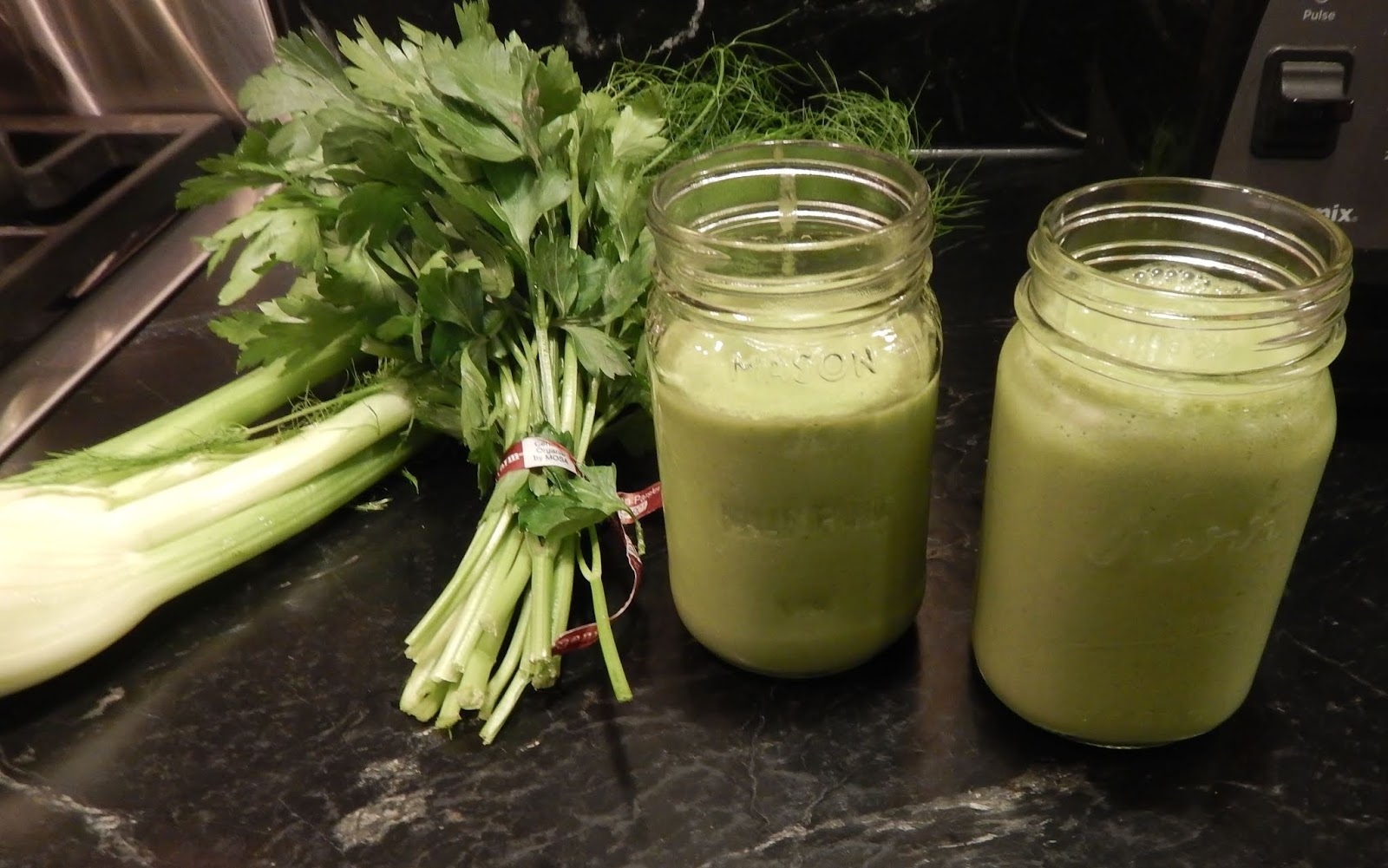
Fennel Frond & Pineapple Smoothie (See Below)
Pork & Fennel Meatballs (See Below)
How To Invest In (Fennel) Stalks & Fronds (Finding ways to use the entire plant) 

Purple & White Scallions: 

Blueberry Zucchini Crumb Bars
Phot from www.chateauelma.com
Fresh Italian Garlic:  

Zucchini and/or Scallopini Squash:  

Green and/or Silver Slicer Cucumbers:

Green Top Gold or Chioggia Beets:

Sugar Snap Peas or Green and Yellow Beans:  

Sweetheart Salad Cabbage:  

Broccoli:  
Orecchiette with Creamy Carrot Miso Sauce
Photo from www.feastingathome.com

Green Top Orange Carrots:  

White Cauliflower:  

Green Curly Kale:  

Wow, where do we start this week! Fresh fennel, a pile of cucumbers and broccoli, the first cauliflower of the year, fresh carrots with their tops still on…..so much potential for delicious meals!  This week we’re focusing on Fennel as our featured vegetable of the week.  Fennel is often one of those vegetables that individuals either like or don’t care for.  I have grown to really enjoy the flavor of fennel over recent years, and I love how it infuses every dish with a subtle background sweetness. We have three featured recipes this week, all of which are pretty easy. I turned to a Sicilian blog to find this recipe for Honey Roasted Fennel (See Below). If you want to expand the vegetable selection with this recipe, consider increasing the honey mixture and add fresh carrots and/or beets to the mix! While this first recipe suggestion uses the bulb of fennel, save the feathery fronds, and use them in this Fennel Frond & Pineapple Smoothie (See Below)! Now, if you’re not sure about how much you like fennel, this recipe for Pork & Fennel Meatballs (See Below) may be most to your liking.  Serve them on their own or toss them with a sauce of your creative choosing! In addition to these featured recipes, I included a list of other recipe suggestions in hopes that something will catch your interest. Of course, you can always reference suggestions from previous years by searching on our blog or website. 

Lets talk about green top vegetables for a moment.  You know I’m a big advocate for eating greens and maximizing yield and the nutrient potential of every vegetable.  You paid for it, so you might as well eat it! This week we have fresh carrot tops and fresh beet greens. Both of these items are packed with valuable nutrients and vitality, so I encourage you to take advantage of them and find a way to enjoy them!  I’ve included some recipe selections and articles to get you started.  Check out this article entitled “15 Deliciously Creative Ways To Eat Beet Greens”.  I also included links to two recipes I want to try including One-Pan Baked Brie & Beet Greens Frittata and Caramelized Fennel & Beet Tart. As for the carrot tops, they make an awesome Carrot Top Chimichurri to serve with grilled fish or chicken.  Many longtime members like to make Carrot Top Pesto which may be served with crackers, tossed with pasta, added into scrambled eggs, etc.  I want to try this Carrot Top Tabbouleh Salad and you can never go wrong with Carrot Top Pesto Hummus!

Ok, I’ll get off my green top soap box now.  This is a big week for broccoli and cucumbers, so I included some extra recipe selections and resources to help you find ways to eat these two common and popular vegetables. And with the first cauliflower of the season, I was excited to find this recipe for Savory Cauliflower Crostata.  Crostatas are like a rustic version of a pie or tart and they are a delicious way to eat vegetables!  And for those parents with children who may find cauliflower to be a bit of a strong flavor, check out this recipe collection entitled:  31 Delicious Cauliflower Recipes Kids Will Eat!

Ok, I’m going to sign off for this week.  I hope you have a great week, cook some amazing food, and have some summer fun!  I’ll see you back here again next week with more delicious vegetables and recipe suggestions!—Chef Andrea


Vegetable Feature: Fennel

by Andrea Yoder

Fennel can be a hard sell to some individuals, while others cannot get enough of it! Fair enough as most of us Midwestern raised individuals likely did not grow up eating fennel.  Honestly, the extent of my exposure to fennel was wondering what the funny little seeds were in the pizza sauce on the school pizza.  I do not recall eating fresh fennel until late in my college years. Fast forward to now and I have really come to enjoy fennel, and even crave it during the winter! If you are in the part of the crowd that is still learning to like fennel, I hope you’ll keep an open mind this week and consider trying it.  Read on and I’ll give you a few more suggestions that might lead you to successfully finding a way you enjoy preparing and eating this unique vegetable!

One of the unique characteristics about fennel is that all parts of the plant above ground are usable, which is why I like to call it “The Three In One Vegetable.”  The white bulb is the most commonly used portion, but the stalks and feathery fronds that extend from the bulb are also edible.  The stalks can be more tough and fibrous, but they have a lot of flavor.  The feathery parts that resemble dill are actually called fronds.  They have a mild flavor and can be used more like an herb. 

Fennel may be eaten raw and cooked. It pairs well with a variety of ingredients and flavors, so when you’re looking at recipes, you’ll likely see similar ingredients show up time after time.  Fennel pairs well with lemons, oranges, and grapefruit as well as herbs such as dill, parsley, thyme, and basil. It also plays well with beets, tomatoes, celery, onions, carrots, potatoes, pomegranate, apples, stone fruit, and berries. It is often used in dishes along with Parmesan, cream and white wine which come together to make a delicious sauce. Lastly, fennel pairs very well with seafood, especially in soups and chowders, and pork products including sausage, pancetta, prosciutto, fresh pork cuts and more. While most think of fennel as a vegetable to use in savory dishes, it can also be used in sweet preparations paired with honey, citrus, berries, etc. 

The stalks and bulbs typically have the strongest flavor.  If you enjoy the flavor of fennel, you’ll likely enjoy it raw.  I have one very important point to make about eating fennel raw.  It must be sliced very thin, like paper thin! Fennel bulbs are very fibrous and dense. If you slice it thinly it is more tender and enjoyable to eat, plus it mingles better with other flavors in the dish. In its raw form, fennel bulb is often used in simple raw salads and can also be used in fresh salsas, pickled, or preserved in alcohol to make your own digestif. When you cook fennel, the essential oils that give it its distinct flavor and aroma volatilize and the flavor and aroma of fennel mellow and become more mild and sweet.  For those of you who are still learning to like fennel, this is Tip #1! If you find the flavor of raw fennel too strong, try cooking it.  Fennel is delicious when roasted, simmered into sauces and soups, or sautéed and then added to recipes such as meatballs, warm grain salads, compotes, etc.

The stalk may be eaten, but seldom is. Rather it is often used for flavoring.  I like to save the stalks and add them to vegetable or meat broth or just stick the whole stalk directly into a pot of soup to flavor it while cooking and then pull it out before serving. It can also be used as a stirring stick for cocktails or to flavor water, lemonade, etc. In a previous year we featured a recipe for Candied Fennel Stalk that is quite tasty.  It’s a great treat to munch on after a meal to help aid with digestion and appeal to that desire for something sweet.  

Last but not least, lets talk about the mild, feathery fronds.  Chop them up and use them as a herb-like garnish on salads, stirred into soups, cooked rice or as a final topping on a pizza.  You can also blend them into smoothies and drinks or use them to make a cocktail. 

Fennel should be stored in a plastic bag or other closed container in the refrigerator to keep it crisp until you are ready to use it. Take the time to wash the fennel bulb well before using it. Sometimes a little dirt can get in between the layers of the bulb as it grows. The layers of the bulb are held together by the core at its base. Sometimes you may wish to leave the core intact to hold the layers together, such as when you may cut it into wedges and roast it. In other recipes where you may want the layers to fall apart, cut the core out of the base of the bulb and you’re ready to go.  Sometimes I cut the fennel bulb first and then put it in a colander to wash it thoroughly. 

In addition to its culinary value, fennel has some health benefits. It can soothe the stomach and GI tract; thus it’s often used to help with digestion.  It can also freshen breath and has other potential health benefits including being antibacterial and working as an antioxidant to remove free radicals in our bodies. It is high in fiber and vitamin C in particular. 


Fennel Frond and Pineapple Smoothie

Photo from www.wholefoodbellies.com
Yield:  2 servings

2 cups coconut water or coconut milk
1 cup loosely packed fennel fronds
2 cups frozen pineapple chunks
2 ripe bananas
  1. Pop all of the ingredients into a high-powered blender in the order listed.  Blend until smooth and creamy.
  2. Serve and enjoy!

Recipe borrowed from www.wholefoodbellies.com

Fennel Pork Meatballs

Photo from www.downshiftology.com
Yield:  40 meatballs

4 Tbsp olive oil
½ medium onion, finely chopped (or substitute 2-3 scallions)
½ fennel bulb, finely chopped 
2 pounds ground pork
2 large eggs, lightly beaten
½ cup roughly chopped fresh parsley
1 tsp ground fennel seed
1 tsp salt
½ tsp freshly ground black pepper
  1. Heat one tablespoon of oil in a large sauté pan on medium heat. Add the onions and fennel and cook for 2 to 3 minutes, or until slightly softened. Remove from the heat to cool.
  2. In a large mixing bowl, add the pork, eggs, parsley, fennel seed, salt, and pepper. Once the sauteed onions and fennel have cooled slightly, add them to the mixing bowl and use your hands to mix all ingredients together.
  3. Shape the pork mixture into small meatballs, approximately 1 ½ inches in diameter.  Make all the meatballs and place on parchment-lined baking tray or large plate.
  4. Wipe your previously used large sauté pan clean, then add 3 tablespoons of oil to the pan over medium heat.  Place the first batch of meatballs in the pan, being careful not to crowd the pan. Cook the meatballs 2 to 3 minutes on one side, then rotate them, so that all sides are browned.  The meatballs should cook for 10 to 12 minutes total, or until the inside is no longer pink. When the first batch is done, remove them to a paper towel-lined plate and start the next batch.
  5. Discard any fat from the pan and add all of the meatballs back to the pan to warm through before serving.
Note from Chef Andrea:  This recipe was sourced from downshiftology.com. You can choose your own adventure with how to serve these meatballs. You may choose to serve them just as they are, or you could add a sauce of your choosing. They would be tasty served over pasta with a creamy garlic sauce and topped off with fresh basil or chopped fennel fronds. You could also serve them with spiralized zucchini noodles and marinara sauce. The sky’s the limit, so get creative!


Honey Roasted Fennel

Photo from www.siciliangirl.com
Yield:  4 servings

3 medium fennel bulbs
2 Tbsp extra-virgin olive oil
2 Tbsp honey
8 sprigs fresh thyme
Salt and black pepper, to taste
Balsamic Vinegar
  1. With a sharp knife, cut a thin slice off the stem end of the fennel bulb and discard. Remove the stalks and fronds by cutting about 1-inch above the fennel bulb. Reserve fronds for garnishing at the end. 
  2. Cut the bulb in half lengthwise from top to stem end.
  3. Using a medium bowl, whisk together the olive oil and honey. Add the fresh thyme sprigs and fennel and gently toss to coat.
  4. Place the halves, cut-side down, on a parchment-lined baking sheet and season with salt and pepper.
  5. Roast in a preheated 400°F oven for 225 minutes or until tender and browned. 
  6. To serve, place fennel cut-side up and drizzle with balsamic vinegar and garnish with reserved fronds.
Recipe borrowed from siciliangirl.com.


Wednesday, June 22, 2022

June 23, 2022 - This Week's Box Contents Featuring Fennel


Cooking With This Week's Box

Fennel:  
Pasta with Golden Fennel (See Below)
Kohlrabi Slaw with Fennel (See Below)

Green Top Baby Red Beets:

Kohlrabi:  

Rainbow Chard:  

Purple or Green Scallions: 

Garlic Scapes:  

Strawberries:  

Broccoli:   

Green Zucchini and/or Mexican Zucchini and/or Yellow Scallop Squash:  

Red Oak and/or Mini Green Boston Lettuce:  

Sugar Snap Peas:  

Summer is officially here and what better way to celebrate than with strawberries!  This is likely our peak week of strawberry harvest, so indulge yourself in all things strawberry such as this recipe for Double Strawberry Pretzel Pie!  If you want to balance out the sweetness, you could also enjoy a Green Salad with Strawberry Balsamic Vinaigrette.  

We are also celebrating summer with some new early summer vegetable selections including this week’s featured vegetable, Fennel!  This week I included two simple recipes for fennel.  The first is a popular one that we featured back in 2013.  Since we have quite a few new members I wanted to revisit this recipe for Pasta with Golden Fennel (See Below).  Personally, I enjoy fennel in raw salads, so this recipe for Kohlrabi Slaw with Fennel (See Below) caught my eye.  If you are looking for some different or unique recipes using fennel, I encourage you to check out our blog post from 2019 where I included an extensive list of fennel recipe ideas!  

We also started harvesting more zucchini this week, and hopefully cucumbers by the end of this week!  It’s time to pull out your favorite zucchini recipes.  One thing I like about zucchini is that it is very versatile and since it is mild-flavored, it can be used in a lot of different ways such as this recipe for Zucchini Potato Frittata and this Summer Squash & Basil Pasta.

I’m going to wrap up this week’s commentary, but I hope you have a fabulous week with lots of good meals!  Before I go, I also wanted to mention that I would love to have some member input this year with regards to some of your favorite recipes.  So, if you have a favorite summer vegetable recipe, please send it my way.  Perhaps it will be one of our featured recipes this summer!  Take care and have a great week!

Chef Andrea 


Vegetable Feature: Fennel

by Andrea Yoder

Fennel was not in my vegetable repertoire growing up in central Indiana.  I really wasn’t exposed to it until my college years and even then, I wasn’t quite sure what to do with it!  Over the years, I have come to appreciate and look forward to fennel every year, and even sometimes miss and crave it in the off season!  Fennel is often one of those vegetables that people either love or are still learning to like.  There are many ways to utilize fennel and every year I encourage those in the latter group to approach fennel with an open mind and consider trying it in a new recipe.  For many of those who have taken me up on this suggestion and ventured outside of their comfort zone, they’ve actually found ways to prepare fennel that they really enjoy!  Back in 2019, I curated an extensive list of recipes to guide members in finding ways to utilize all parts of fennel. If you don’t have a recipe in mind this week, or this is your first time utilizing fennel, I encourage you to refer back to that blog post and take advantage of that list.  So, with that little dose of encouragement, lets take a look at this fragrant, feathery vegetable!  

One of the unique characteristics about fennel is that all parts of the plant above ground are usable, which is why I like to call it “The Three In One Vegetable.”  The white bulb is the most commonly used portion, but the stalks and feathery fronds that extend from the bulb are also edible.  The stalks can be more tough and fibrous, but they have a lot of flavor.  The feathery parts that resemble dill are actually called fronds.  They have a mild flavor and can be used more like an herb.  

Fennel in the Field
Fennel may be eaten raw and cooked.  It pairs well with a variety of ingredients and flavors, so when you’re looking at recipes, you’ll likely see similar ingredients show up time after time.  Fennel pairs well with lemons and oranges as well as herbs such as dill, parsley and basil.  It also plays well with beets, tomatoes, celery, onions, carrots, potatoes, pomegranate, apples, stone fruit and berries.  It is often used in dishes along with Parmesan, cream and white wine which come together to make a delicious sauce.  Lastly, fennel pairs very well with seafood, especially in soups and chowders, and pork products including sausage, pancetta, prosciutto, fresh pork cuts and more.  While most think of fennel as a vegetable to use in savory dishes, it can also be used in sweet preparations paired with honey, citrus, berries, etc.  

The stalks and bulb typically have the strongest flavor.  If you enjoy the flavor of fennel, you’ll likely enjoy it raw.  I have one very important point to make about eating fennel raw.  It must be sliced very thin, like paper thin!  Fennel bulb is very fibrous and dense.  If you slice it thinly it is more tender and enjoyable to eat, plus it mingles better with other flavors in the dish.  In its raw form, fennel bulb is often used in simple raw salads and can also be used in fresh salsas, pickled, or preserved in alcohol to make your own digestif.  When you cook fennel, the essential oils that give it its distinct flavor and aroma volatilize and the flavor and aroma of fennel mellow and become milder and sweeter.  Thus, those who find the flavor of fennel too strong when eaten raw often prefer to prepare fennel by cooking it.  Fennel is delicious when roasted, simmered into sauces and soups, or sautéed and then added to recipes such as meatballs, warm grain salads, compotes, etc.

Photo from wholefoodbellies.com
The stalk may be eaten, but seldom is.  Rather it is often used for flavoring.  I like to save the stalks and add them to vegetable or meat broth or just stick the whole stalk directly into a pot of soup to flavor it while cooking and then pull it out before serving.  It can also be used as a stirring stick for cocktails or use it to flavor water, lemonade, etc.  In a previous year we featured a recipe for Candied Fennel Stalk that is quite tasty.  It’s a great treat to munch on after a meal to help aid with digestion and appeal to that desire for something sweet.  Last but not least, let’s talk about the mild, feathery fronds.  Chop them up and use them as an herb-like garnish on salads, stirred into soups, cooked rice or as a final topping on a pizza.  You can also blend them into smoothies and drinks or use them to make a cocktail.  They may also be used to make Fennel Frond Salt or Fennel Frond Pesto, using only fennel fronds or you could blend in some fresh basil or parsley as well.  Fennel frond pesto would make a lovely sauce for salmon, toss it with pasta, use it as a sandwich spread or mix it with mayonnaise and make a dipping sauce for fish or chicken strips!

Fennel should be stored in a plastic bag or other closed container in the refrigerator to keep it crisp until you are ready to use it.  Take the time to wash the fennel bulb well before using it.  Sometimes a little dirt can get in between the layers of the bulb as it grows.  The layers of the bulb are held together by the core at its base.  You may wish to leave the core intact to hold the layers together, such as when you may cut it into wedges and roast it.  In other recipes where you may want the layers to fall apart, cut the core out of the base of the bulb and you’re ready to go.  Sometimes I cut the fennel bulb first and then put it in a colander to wash it thoroughly.  

In addition to its culinary value, fennel has some health benefits.  It can soothe the stomach and GI tract, thus it’s often used to help with digestion.  It can also freshen breath and has other potential health benefits including being antibacterial and working as an antioxidant to remove free radicals in our bodies.  It is high in fiber and vitamin C in particular.


Pasta with Golden Fennel

Yield:  2-3 servings

1 Tbsp unsalted butter
1-2 medium fennel bulbs, quartered and sliced very thinly (about 1 cup)
3 Tbsp fresh lemon juice
Zest from one lemon
½ cup white wine
⅓ cup garlic scapes or 2 cloves garlic, minced
4 oz fettucine
⅓ cup fennel fronds, finely chopped
1-2 oz Parmesan cheese or other hard cheese for grating
Salt and black pepper, to taste
  1. In a large sauté pan, melt the butter over medium heat.  When the butter sizzles, add the thinly sliced fennel.  Sauté for 10-15 minutes, stirring occasionally, or until the fennel softens and starts to brown a little bit.  Add the lemon juice, lemon zest and white wine.  Allow the fennel mixture to simmer until almost all of the liquid is gone and the fennel is soft and golden in color. 
  2. While the fennel is cooking, heat a pot of salted water and cook the fettucine according to package instructions until is is al dente.  Drain in a colander and set aside in a warm place.
  3. When the liquid in the fennel mixture is almost gone, add the garlic and cooked fettucine to the pan and stir to combine.  Add the fennel fronds and season with salt and pepper.  Cook for just a few minutes to make sure the pasta is hot.  Grate the cheese into the pasta and toss it so the cheese will start melting.  Serve the pasta hot with more cheese grated on top at the table.  
Note from Chef Andrea:
I originally shared this recipe in our newsletter back in 2013.  Since then, many members have offered positive feedback on this recipe, especially amongst those who are still learning to like fennel and find the flavor of raw fennel to be too strong for their liking.  This recipe was adapted from Deborah Madison’s Local Flavors cookbook.  Way back in 2007 when I first came to the farm as the Summer Farm Chef, I prepared this recipe for our farm crew.  Fennel was not one of their favorite vegetables and most of the dishes I made with fennel ended up in the compost bucket.  I was determined to find a way to prepare fennel that they would enjoy and this is the one dish that won them over!  They loved it and I don’t remember any fennel ending up in the compost that day!


Kohlrabi Slaw with Fennel & Apple

Photo from eatingwell.com
Yield:  5 servings

1 medium fennel bulb with fronds
¼ cup extra-virgin olive oil
2 Tbsp apple cider vinegar
2 tsp whole-grain mustard
2 tsp minced shallot or green onion
1 tsp honey
½ tsp salt
¼ tsp ground black pepper
1 medium kohlrabi, peeled and cut into matchsticks
1 small apple, cored and cut into matchsticks
  1. Chop enough fennel fronds to equal ¼ cup.  Cut the bulb in half and make a V-cut on the bottom to remove the core at the base.  Thinly slice the bulb, as thin as you can using either a knife or a mandolin.
  2. In a large bowl, whisk together oil, mustard, shallot (or green onion), honey, salt and pepper.  Add the fennel and fronds, kohlrabi and apple;  gently toss to coat all the components.  
  3. Serve chilled or at room temperature.
Recipe sourced from www.eatingwell.com.

Tuesday, July 2, 2019

July 3, 2019 - This Week's Box Contents, Featuring Fennel!

Cooking With This Week's Box


Green Scallions: Strawberry Tabbouleh; Strawberry, Fennel, and Orange Salad (see below); Broccoli Salad; Peas & Scallions; Chicken, Broccoli & Sugar Snap Pea Stir Fry

Red Summercrisp Lettuce: Strawberry, Fennel, and Orange Salad (see below); Salt-Roasted Beets with Goat Cheese & Toasted Walnuts


Fennel: Fennel Ginger Smoothie (see below); Candied Fennel & Simple Syrup (See below); Strawberry, Fennel, and Orange Salad (see below); Caramelized Fennel & Beet Pizza; Shaved Fennel and Beet Greens Salad


Happy 4th of July Week!  I say this every month, but I can hardly believe we’ve marked another month off the calendar!  Lets jump right into this week’s box because we have a lot to talk about!  First of all, I hope you have had a chance to read this week’s vegetable feature article about fennel.  If not, I just want to mention I included 25 recipe ideas for using all parts of fennel!  We’re featuring three of those recipes here as well.  I never considered using fennel in a smoothie, but decided to try this Fennel Ginger Smoothie (see below). It’s packed with nutrient dense vegetables that are great for both energy as well as aiding in digestion.  It’s very refreshing and is great for breakfast or an afternoon pick-me-up.  I’ve also never had fennel and strawberries paired together, so I was intrigued by the recipe for Strawberry, Fennel and Orange Salad (see below).  This is a delicious, simple salad that is so refreshing.  It will go nicely served with grilled chicken or fish, and I have to say I really like the combination of strawberries and fennel!  The third recipe I’ve included below is for Candied Fennel (see below).  I wanted to try this recipe because I was looking for more ways to use fennel stalks.  This recipe takes some time, but it is super easy to make and you really don’t have many action steps.  It just takes time to dry the fennel after it’s candied.  The nice thing about this recipe is that you also get a delicious fennel simple syrup as a byproduct of the candied fennel.  I was surprised when I tasted the syrup—it has a lovely, mild, floral flavor and would be a great sweetener to use in hot or iced green tea, lemonade, cocktails, etc.  Kelly even suggested using it to make strawberry lemonade!

Shaved Fennel and Beet Greens Salad
We’ve been looking forward to fresh beets and they are finally ready!  Beets and fennel are an early summer combo and pair very nicely together.  Of course I’m going to remind you to eat the beet greens too!  They are delicious and you can use them as you would use chard or other cooking greens.  It would be a shame to throw them away!  We have a few recipes in our archives that I like to pull out this time of year.  Consider this Shaved Fennel and Beet Greens Salad.  It’s a light, refreshing salad that will keep you hydrated on a hot summer day!  It’s dressed with a light lemon-honey vinaigrette and garnished with feta cheese and chopped nuts.  Another popular beet-fennel combo recipe from our past is Caramelized Fennel & Beet Pizza.  Even people who don’t care for fennel and beets typically like this recipe!

It’s a salad kind of week, both because we have a lot of great salad ingredients in the box and because it’s finally hot and it’s nice to have cool, refreshing meal options.  Did you notice that big, beautiful head of Red Summercrisp lettuce in this week’s box?!  There are several meals in that crispy head of beautiful lettuce.  In addition to the Strawberry, Fennel, and Orange Salad mentioned above, this recipe for Salt-Roasted Beets with Goat Cheese & Toasted Walnuts caught my eye.  The beets are the star of this salad that is served on a bed of lettuce.

Red Lentil Soup with Amaranth Greens
We certainly have a lot of color going on in this box, including the gorgeous red amaranth greens!  If you’ve never used amaranth before, don’t be intimidated by it.  It’s easy to use and at this size, it’s best used as a cooking green.  It’s a very nutritious green and has a mild flavor.  Last year we featured this recipe for Black Beans with Amaranth.  It’s such a simple recipe, but it’s so delicious.  Another recipe I like to make every year is Red Lentil Soup with Amaranth Greens.  I know it’s hot outside now, but this soup does make a nice, simple dinner along with a salad and maybe even a piece of crusty bread.

This is a big week for broccoli & zucchini.  There’s a substantial amount of both items in your box this week.  First off, if it’s more than you can use fresh, both of these vegetables can be frozen.  Broccoli needs to be blanched first (lightly cooked and then rapidly cooled), but zucchini can be shredded and frozen raw.  I put some of both in the freezer last year and I was very happy to have them when February rolled around!  Earlier this week this recipe for Broccoli Salad came into my email from Love & Lemons blog.  It is simply called “broccoli salad.”  It’s raw broccoli with onion, dried cranberries and smoky tamari almonds—very simple, but makes for a tasty combo and is a good option for a holiday barbecue or picnic!  I also have my eye on this Macaroni & Cheese (& Broccoli) Casserole, another great dish to take to a 4th of July cookout or a nice side dish for a weekend meal to accompany grilled ribs or chicken.

Baked Cheesy Zucchini Bites
Photo from MelsKitchenCafe.com
As for the zucchini, one of our members shared this recipe in our Facebook Group for Vegetarian Zucchini Noodle Pad Thai.  I have to give this one a try—it looks delicious!  I also have this recipe for Zucchini & Dark Chocolate Chunk Pancakes with Maple Yogurt in the cue for Sunday morning brunch.   Now that we have a main course and a breakfast covered, lets talk about appetizers.  These Baked Cheesy Zucchini Bites would make a nice appetizer to enjoy with a glass of wine or include them as a side dish with your main meal.  The author of this recipe also mentions they can be frozen and are adaptable to different kinds of cheese.  If you like them, shred some zucchini and freeze it—you can make these when zucchini is out of season…perhaps they’d make a tasty snack for Super Bowl 2020?!

I didn’t think we’d have sugar snap peas for this week, but they made it.  Unfortunately we aren’t going to have many peas this summer, so we have to make the most of them this week!  Stir-fry is always on my list of things to make in early summer and this week I’m going to try this Chicken, Broccoli & Sugar Snap Pea Stir Fry.  My other go-to sugar snap pea recipe is so simple, but so delicious.  Peas & Scallions is simply sugar snap peas quickly sautéed with scallions.  It takes less than five minutes to make—nature’s fast food.

Goat Cheese & Strawberry Breakfast
Tarts, photo from saveur.com
Alright, we’re rolling into the home stretch.  The only item remaining is strawberries.  Rain, storms and high humidity are weather conditions we hope to avoid during strawberry season, but unfortunately that’s what we’ve received the past week.  It’s been really hard on the strawberry field, which makes us appreciate every berry we have even more!  So as our strawberry season winds down, I hope you’ll enjoy these final sweet berries and use them to make something delicious.  Check out Saveur’s Best Strawberry Recipes which is an extensive collection of strawberry recipes including Strawberry Lemonade Ice Pops and Goat Cheese & Strawberry Breakfast Tarts.  I also found this recipe for Strawberry Tabbouleh that I want to try before the season is done.  It looks like a really refreshing salad and includes basil and mint.

That wraps up this week’s box contents.  We’re hoping to see more cucumbers coming in next week along with green top carrots and tender sweetheart cabbage!  Peppers and green beans have set on blossoms, so it won’t be long before we’re munching on those vegetables as well.  Have a great week and I’ll see you back here next week!—Chef Andrea

Vegetable Feature: Fennel: The Three In One Vegetable


By Andrea Yoder

When it comes to fennel, there are typically two groups of people.  Those who love it and those who are still learning to like it.  If you are in the latter group or you’ve never tried fennel before, I encourage you to approach this week’s vegetable with an open mind.  I wasn’t exposed to fennel until my college years, and even then I was skeptical of it when someone told me it tasted like black licorice.  My mom used to chew black licorice gum that I thought was horrid!  While fennel does have an anise flavor similar to licorice, it’s not the same as black licorice candy.  I have grown to really appreciate fennel and am excited to share a whole slew of recipe ideas for how to use this vegetable!  I’ve tried to be very thorough with my research for this week’s article and pushed myself to “think outside the box” and go beyond traditional uses for fennel.  I’d encourage you to visit our blog this week as I’ve included links to 25 recipes utilizing fennel.  At the end of this article I’ve include  25 links to recipes utilizing fennel, so hopefully there is something on that list that will spark your interest! 

One of the unique characteristics about fennel is that all parts of the plant above ground are usable.  The white bulb is the most commonly used portion, but the stalks and feathery fronds that extend from the bulb are also edible.  The stalks can be more tough and fibrous, but they have a lot of flavor.  The feathery parts that resemble dill are actually called fronds.  They have a mild flavor and can be used more like an herb.

Pasta with Golden Fennel
Fennel may be eaten raw and cooked.  It pairs well with a variety of ingredients and flavors, so when you’re looking at recipes you’ll likely see similar ingredients show up time after time.  Fennel pairs well with lemons and oranges as well as herbs such as dill, parsley and basil.  It also plays well with beets, tomatoes, celery, onions, carrots, pomegranate, apple, stone fruit and berries.  It is often used in dishes along with Parmesan, cream and white wine which come together to make a delicious sauce.  Lastly, fennel pairs very well with seafood, especially in soups and chowders, and pork products including sausage, pancetta, prosciutto, fresh pork cuts and more.  While most think of fennel as a vegetable to use in savory dishes, it can also be used in sweet preparations paired with honey, citrus, berries, etc.

In addition to its culinary value, fennel has some health benefits.  It can soothe the stomach and GI tract, thus it’s often used to help with digestion.  It can also freshen breath and has other potential health benefits including being antibacterial and working as an antioxidant to remove free radicals in our bodies.  It is high in fiber and vitamin C in particular.

Fennel Martini, photo from foodnetwork.com
The stalks and bulb typically have the strongest flavor.  If you enjoy the flavor of fennel, you’ll likely enjoy it raw.  I have one very important point to make about eating fennel raw.  It must be sliced very thin, like paper thin!  Fennel bulb is very fibrous and dense.  If you slice it thinly it is more tender and enjoyable to eat, plus it mingles better with other flavors in the dish.  In its raw form, fennel bulb is often used in simple raw salads and can also be used in fresh salsas, pickled, or preserved in alcohol to make your own digestif.  When you cook fennel, the essential oils that give it its distinct flavor and aroma volatilize and the flavor and aroma of fennel mellow and become more mild and sweet.

The stalk can be eaten, but seldom is.  Rather it is often used for flavoring.  I like to save the stalks and add them to vegetable or meat broth or just stick the whole stalk directly into a pot of soup to flavor it while cooking and then pull it out before serving.  It can also be used as a stirring stick for cocktails or use it to flavor water, lemonade, etc.  One of our featured recipes this week is for Candied Fennel Stalk.  I gave it a try and really like it!  What a great way to enjoy the stalk!  You can munch on candied fennel after a meal and get the benefit of settling your stomach while meeting the need for something a little sweet.

Fennel Frond Pesto
Photo from WholeFoodBellies.com
Last but not least, lets talk about the mild, feathery fronds.  Chop them up and use them as a herb-like garnish on salads, stirred into soups, or as a final topping on a pizza.  You can also blend them into smoothies and drinks or use them to make a cocktail, such as a Fennel Martini.  I also found a recipe for making Fennel Frond Salt.  It is shelf stable and can be used to season your own homemade sausage patties, use it to salt fish, roasted potatoes, cucumbers, cream sauces, etc.  Of course, you can always make Fennel Frond Pesto, using only fennel fronds or you could blend in some fresh basil or parsley as well.  Fennel Frond Pesto would make a lovely sauce for salmon, toss it with pasta, use it as a sandwich spread or mix it with mayonnaise and make a dipping sauce for fish or chicken strips!

Ok, that’s a lot of information and it’s time to get cooking.  Be sure to wash the fennel bulb well before using.  Sometimes a little dirt can get in between the layers.  Cut the core out of the base of the bulb and you’re ready to go.  Store fennel in a plastic bag in the refrigerator.

RECIPES FOR THOSE WHO ARE STILL LEARNING TO LIKE FENNEL:

These recipes come from past newsletters and have received positive member comments including ones like “I always struggle with fennel and decided this is the last time I’m going to try it, but this is it—I finally found a dish with fennel that I like!”


RECIPES UTILIZING FENNEL FRONDS:


RECIPES UTILIZING THE STALK:


RECIPES UTILIZING THE BULB:

Lemony Fennel Cupcakes

Fennel-Ginger Smoothie


Yield:  1 quart (1 large or 2 small servings)

1 cup almond milk
1 cup spinach, chard or beet greens, roughly chopped
½ cup fresh Italian parsley, roughly chopped
¼ cup  fresh lemon juice 
½  inch piece ginger root, peeled
1 fennel bulb, chopped (approximately 1 cup)
1 cup frozen pineapple 
½ cup ice

  1. Place all ingredients in the blender and blend until smooth.  You can adjust the almond milk or ice depending on your preference for thickness.
  2. Drink immediately.  
Recipe adapted from www.toopreciousforprocessed.com.

Note from Chef Andrea:  While I’ve only tried this smoothie with frozen pineapple, I think it would also be good with frozen blueberries or strawberries.

Candied Fennel Stalk & Fennel Simply Syrup


Yield: ¾ cup candy and 1 ½-2 cups syrup

Photo from WashingtonPost.com
1 cup sugar
1 cup water
1 ½ cups fennel stalks, cut on the diagonal into thin slices 

  1. Preheat oven to 250°F.  Line a rimmed baking sheet with parchment paper or a silicone liner.
  2. Combine the sugar and water in a small saucepan over medium-high heat.  Cook, stirring, until the sugar has dissolved, about 5 minutes.  Add the fennel and reduce the heat to medium.  Simmer for 3 minutes, until the fennel is crisp-tender.  Remove from the heat and let the fennel  steep for 10 to 15 minutes, then strain the syrup into a container.
  3. Transfer the syrup-coated fennel slices to the lined baking sheet, spreading them in an even layer.  Bake for about 30 minutes, then separate any fennel slices that are sticking together.  Bake for 30 minutes more or until the fennel is dry, slightly crispy and just a bit sticky.
  4. Cool completely on the baking sheet before serving or storing.  The candy can be stored in an airtight container at room temperature for up to 4 days.  The syrup can be refrigerated in an airtight container for up to 2 weeks.
  5. You can munch on candied fennel after a meal and get the benefit of settling your stomach while meeting the need for something a little sweet.  You can also add it to fruit salads or use it as a topping for baked goods & ice cream.  The fennel simple syrup has a lovely mild floral-fennel flavor and can be used to sweeten beverages such as mocktails, cocktails, lemonade, tea, etc.
Recipe borrowed from www.washingtonpost.com

Strawberry, Fennel & Orange Salad


Yield:  4-5 servings

2 Tbsp fresh lemon juice
2 Tbsp extra-virgin olive oil
½ tsp sea salt
Coarsely ground black pepper, to taste
2 navel oranges
8 oz (1 pint or 1 ¼ cups) strawberries, hulled and quartered or halved
1 fennel bulb, thinly sliced lengthwise
3 Tbsp finely chopped fennel fronds
1 green onion, thinly sliced
6 cups torn head lettuce 
Parmesan or sharp cheddar cheese, for serving

  1. In a medium mixing bowl, whisk together lemon juice, olive oil, salt and black pepper.  Zest two oranges and add to the lemon juice mixture.  Cut the bottom and top off of each orange so the top and bottom are flat.  Use a knife to cut away the peel and pith by running the knife from the top of the orange to the bottom.  Once the peel is removed, hold the orange in your hand and use a paring knife to cut out the segments, letting them fall into a bowl, along with the juice.
  2. Add strawberries, sliced fennel and fronds, and green onion to the bowl of orange segments and toss together gently.  
  3. Put 1 to 1 ½ cups lettuce on each plate and spoon about ⅔ of the fennel and fruit mixture over the lettuce.  Garnish with freshly shredded Parmesan cheese.  
Recipe adapted from marthastewart.com