Showing posts with label cabbage. Show all posts

Wednesday, September 11, 2024

September 12, 2024 - This Week's Box Contents Featuring Cabbage


What's In The Box

Italian Garlic: If you didn’t try the Garlic Fried Tomatoes recipe from last week’s list of recommended recipes, I highly encourage you to do so. This is a quick, simple way to pair garlic and tomatoes. Enjoy this dish on its own as a side dish, serve it with fried eggs, toss in some pasta, or eat the tomatoes alongside crusty bread to soak up all the flavors from the oil. This recipe is delicious using any of the tomato varieties you may receive in your box this week.

Orange and/or Red Italian Frying Peppers: We are in the peak of sweet pepper season and the plants are loaded with sweet, colorful fruit! Add chopped peppers to salads, salsa, or just eat raw pepper slices on their own. You can also add them to scrambled eggs, fajitas, or use them as a pizza topping.

Sunorange or Chocolate Sprinkles Tomatoes: Make a quick salad using this week’s salad mix or baby arugula. Put the greens in a bowl, cut these little tomatoes in half and add to the greens along with some crumbled feta or shredded Parmesan cheese. Drizzle lightly with olive oil and a splash of balsamic vinegar. Add a touch of salt and black pepper and enjoy!

Variety of Tomatoes:  Tomato season will not last forever, so enjoy these fresh tomatoes in every way you can while we have them! Bruschetta, simple pasta dishes, fresh tomato salads, BLT’s…. if you’re running out of ideas, check out this week’s recipe suggestions! And don’t forget to keep tabs on your tomatoes as you ripen and store them at room temperature. If you notice a small spot starting to form, cut it away and eat the tomato right away!

Red Seedless Watermelon: This is the last week for watermelons, a sign that summer will be coming to an end in less than two weeks! Store your watermelon in the refrigerator and eat within a few days.

Salad Mix or Baby Arugula: This week we added salad mix back into our harvest schedule, featuring a blend of baby lettuce and flavorful greens. As with baby arugula, these delicate greens allow us to eat well without a lot of time! Use them as a base to build a quick salad either as a side to your main meal or make it a big one and enjoy it as your meal!

Broccoli Romanesco or Cauliflower: Our first crop of fall cauliflower continues to come in waves. Your box this week will contain either Broccoli Romanesco or one of our three colors of cauliflower. Enjoy this selection lightly steamed, stir-fried, or roasted!

Leeks: Leeks are the more subtle cousin to onions. Part of the growing practice is to pile dirt up on the lower portion (aka shank) of the leek, which results in blanching that portion, so it remains white. As a result, dirt can get in between the layers. Take care to wash them well prior to using to remove any remaining grit. When cooking, use lower heat to cook them so they are smooth and silky.

Red Napa or Green Savoy Cabbage: We like the beauty these varieties bring to the box with their crinkly leaves and vibrant colors. Both may be used raw in salads or lightly cooked such as in a stir-fry. You could also ferment them as a means of preservation!

Edamame: Remember to cook edamame in its pod first as it’s much easier to pop the beans out of the pod once they are cooked. The pod is not edible and should be discarded. Once cooked, you may add the edamame beans to salads, stir-fry, fried rice, or just eat them as a snack!

Baby White Turnips: We grow these salad turnips in the spring and again in the fall. They are also known as “hakurei” turnips. They are characterized by mild, tender turnips with edible green tops. Enjoy the greens and turnips raw in salads or lightly cook them by steaming, sautéing or roasting.

Orange Carrots: We’re just starting to harvest our fall carrots to put into storage. If you’re making a fresh tomato sauce or soup, add diced carrot for additional flavor and sweetness!

BONUS: Orange Ukraine Peppers—This week’s box is pretty full, but when we had a little open space, we added one of these peppers. You’ll recognize this variety as it resembles a bell pepper, but with a pointed tip. This is a sweet pepper.


Recipe Suggestions & Inspiration For This Week’s Box Contents
Garlic Fried Tomatoes
20 Minute Fresh Tomato Pasta
Summer Tomato Toast
Arugula & Watermelon Salad with Feta
Simple Napa Cabbage Slaw
Farm Fresh Ranch Cole Slaw with Turnips & Cabbage
Stir-Fried Napa Cabbage with Spicy Garlic Dressing
Cilantro Lime Slaw
Turnip Greens Pesto Pizza
Smoked Italian Pasta Salad with Tomatoes & Peppers
Skillet Italian Sausage & Peppers
How to Make the Perfect BLT
Summer Succotash Salad with Orzo
Edamame with Sea Salt
Sushi Salad with Brown Rice, Edamame, Nori, and Miso Dressing
37 Fresh Tomato Recipes for Peak Tomato Season
12 Tomato Sandwich Recipes for Peak Season
Cheddar, Leek & Tomato Sandwich
Simple Carrot Leek Soup
Zesty Cauliflower & Leek Soup
Roasted Cauliflower, Pepper & Chickpea Stew


Vegetable Feature: Cabbage

By Andrea Yoder 

As we get closer to the end of summer and the official transition into fall, we're starting to see a shift in some of the crops coming in from the fields.  This week we are harvesting what we intended to be our "fall cabbages," but planning when fall crops will come in is a challenge.  Why?  Because we never know what kind of weather or temperatures we're going to get in mid to late summer!  Nonetheless, we're happy to have these beautiful cabbages to share with you this week  They are a nice crop to help us transition from summer to fall as they pair nicely with late summer vegetables as well as winter crops.  This week your box will contain one of two varieties of cabbage, either Red Napa Cabbage or Green Savoy Cabbage.

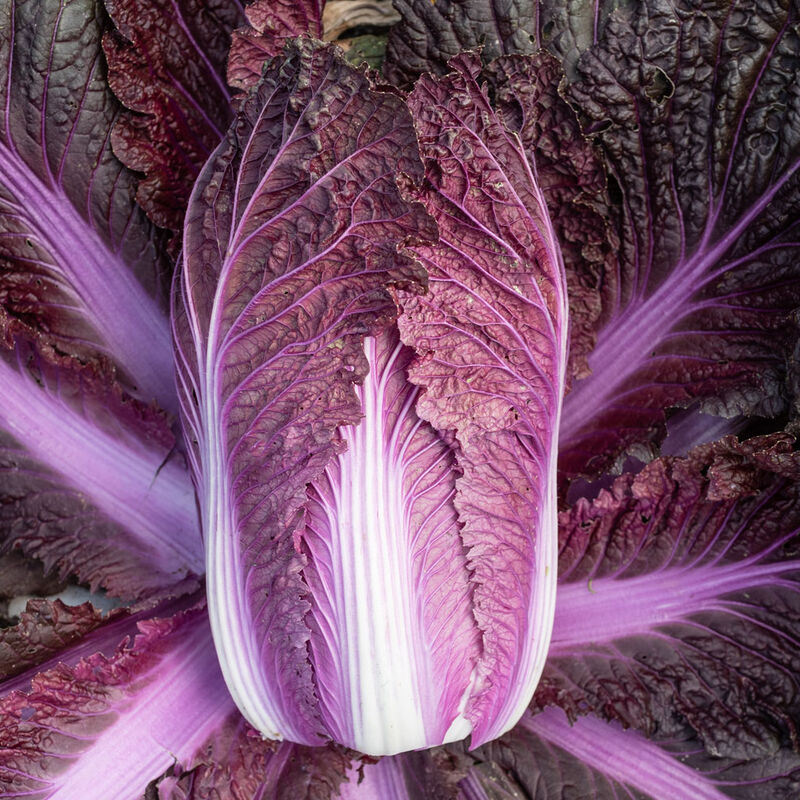
Red Napa Cabbage: While it’s called “Red” napa cabbage, it really is more of a vibrant pinkish-purple color that is quite stunning against its pure white ribs.  Red napa cabbage is a relatively new vegetable, having been released onto the commercial market in 2016.  Its development may be credited to Kwonnong Seed company which is based in Korea. Given napa cabbage is the traditional cabbage used to make kimchi, a Korean fermented vegetable preparation, it makes sense that a Korean seed company would invest in diversifying this crop. This vegetable is also used in other countries throughout Asia where it is considered to be a staple vegetable.  According to cookbook author and chef, Fuchsia Dunlop, napa cabbage is referred to as “Chinese Leaf Cabbage” in China. She cites napa cabbage as one of the most important vegetables in northern regions of China where it is stir-fried, pickled, added to fillings for dumplings as well as using it in soups and stews.  In Japan, napa cabbage is called hakusai and is something nearly every family that grows their own food will have in their garden. 

Napa cabbage is a little different than other varieties of cabbage. The heads grow upright and are more cylindrical in shape. The upper portion of the cabbage leaf is crinkly while the lower portion of the leaf has a wide, white rib. Fuchsia describes napa cabbage as having crinkly leaves like a head of savoyed cabbage, but with a crunchy bite more like head lettuce! Both the leaf and the ribs are edible and the combination of textures from the two may be described as crunchy, crisp, and juicy! Napa cabbage has a higher water content than some other cabbages. It is also more sensitive to the effects of salt, acidity from vinegar or citrus, and heat which all breakdown the cell structure of the cabbage and release water. When cooking napa cabbage, plan accordingly and know that it will only require a few minutes to cook if you want it to retain a little bit of crunch.  If you are using napa cabbage in its raw form to make a salad or a slaw, I recommend mixing it with any vinaigrette, dressing or sauce shortly before serving. This will diminish the chance of the salad becoming soggy.

Napa cabbage pairs well with a wide variety of vegetables including sweet & hot peppers, onions, carrots, garlic, ginger, and herbs such as cilantro, basil, and mint. Napa cabbage is also often paired with citrus fruits including mandarins, oranges, limes, and yuzu (for which you may substitute a Meyer lemon). Other ingredients often used alongside napa cabbage include sesame seeds and oil, peanuts, cashews, soy sauce and fish sauce.

Green Savoy Cabbage: While many growers choose to grow “kraut cabbage” which is the standard smooth, green cabbage, we choose to grow savoy cabbage.  The term savoy refers to the ruffled leaves which we think are beautiful!  We also like this type of cabbage because it has more texture when eaten raw or cooked.  Cabbage has long been known as a staple vegetable necessary for surviving a long winter in cold climates.  It stores well and has a wide variety of uses.

Green savoy cabbage may be eaten raw or cooked.  In the raw form, use this cabbage to make a traditional creamy coleslaw along with carrots and/or other root vegetables such as celeriac.  You can also use this cabbage to create some main dish salads.  You can also use this cabbage to make a quick pickled salad or shred it, salt it and turn it into a simple slaw to eat with tacos. Green savoy cabbage may also be cooked.  You can add it to soup, or use it to make Beet Borscht.  I also like to use this cabbage in stir-fries over the winter.  Combine it with beauty heart radishes, thinly sliced turnips, carrots and onions to make a delicious winter vegetable stir-fry served with rice.

Health & Nutrition: Cabbage is packed with nutrients including vitamins C and K, fiber B6 as well as antioxidants.

Additional Health & Nutrition: Purple and red pigments in vegetables indicate the presence of chemical plant compounds called anthocyanins.  Anthocyanins have many health benefits including being antioxidants that combat free radical damage in our bodies.  Thus, they play a role in cancer prevention as well as enhance cardiac health and boost our immunity, amongst a long list of other benefits.  In addition to the benefits from anthocyanins, red cabbage also offers all the similar benefits of other vegetables in the Brassica family including phytonutrients called glucosinolates and sulfuraphane.  These two nutrients are important for reducing the potential for carcinogens to damage our tissues while also assisting the liver with detoxifying the body.

Storage Tips: Store cabbage in the refrigerator, loosely wrapped in a plastic bag to prevent it from wilting or getting soft. For optimal results, use within 1-2 weeks of receiving it.  


Crunchy Cabbage Slaw with Sesame Ginger Dressing 

Yield:  8 servings (as a side);  4-6 servings (as an entrée)
This recipe does not originate from any particular part of the world, but it’s a very fitting recipe for this time of year and the contents of this week’s box!  This slaw recipe was adapted from one posted on the Minimalist Baker blog. Feel free to adapt the vegetables according to what you have available, as long as you keep the total amount of vegetables similar to the original recipe.  You may also wish to add some fresh herbs such as cilantro or basil. If you prefer a vegetarian protein alternative to replace the chicken that is called for in the recipe, consider trying the author’s recommendation for their Miso-Glazed Chickpeas recipe. 

DRESSING:
5 Tbsp coconut aminos OR 2 ½ Tbsp tamari
3 Tbsp rice vinegar
2 ½ Tbsp toasted sesame oil
1 ½ Tbsp maple syrup
1 Tbsp fresh grated ginger
4 cloves garlic, minced

SALAD:
2 ½ cups cooked shredded chicken, optional (See note below)
3 cups thinly sliced cabbage (variety of your choosing)
1 cup shelled edamame
1 cup thinly sliced sweet pepper
1 large carrot, shredded
1 medium onion, thinly sliced

FOR SERVING:
2 Tbsp sesame seeds, slightly toasted
¼ cup slivered almonds, slightly toasted
1 healthy pinch each sea salt and black pepper, plus more to taste
  1. Prepare the dressing by putting all of the dressing ingredients into a bowl and whisk vigorously to combine.
  2. Taste and adjust the flavor as needed, adding more ginger for zing, garlic for kick, maple syrup for sweetness, sesame oil for more prominent toasted sesame flavor, or coconut aminos or tamari for more saltiness.
  3. Prepare all the vegetables for the salad and put them in a large serving dish or mixing bowl. Toss to combine and set aside.
  4. Next add sesame seeds and almonds to a small pan and toast over medium heat for about 5 minutes or until they are just slightly golden brown, stirring frequently. Be careful not to burn them. Set aside to cool.
  5. Once cooled, add the toasted sesame seeds and almonds to the vegetable mixture along with the chicken if you are including it. Top with enough dressing to lightly coat everything. You may not need all of the dressing, so start conservatively and add more if needed.  Toss to combine, then taste. Add additional salt, pepper and/or more coconut aminos or soy sauce as needed to your liking. 
  6. Serve immediately. If you will not be eating all of the slaw at one time, you may want to only put dressing on the portion you will be serving.  Once dressed, the cabbage will become soft and may lose some of its crunch.

Thursday, June 27, 2024

June 27, 2024 - This Week's Box Contents Featuring Salad Cabbage


What's In The Box

Salad Cabbage: This week you will receive one of two varieties of salad cabbage that we grow in early summer. “Tiara” is a round variety and “Sweetheart” is a pointy headed cabbage. Both of these varieties differ from storage cabbage in that they are more tender and mild flavored. They are great for salads, slaws, or may be lightly cooked such as in this week’s featured recipe.

Garlic Scapes: We are in our final week of garlic scapes. We plan to start harvesting fresh bulbs of garlic next week! Enjoy this final taste of fresh, bright garlic flavor in a batch of Garlic-Scape Cilantro Pesto!

Purple & White Scallions: We are nearing the end of scallions which means we’ll be switching over to fresh Sierra Blanca onions within the next week or so. Scallions are an important part of Chinese cuisine and form the base of many dishes along with garlic and ginger. Consider using scallions to make a tasty stir-fry this week!

Cauliflower or Broccoli: This week we’re harvesting our first crop of cauliflower. Despite having a bit of a wet spring, these plants are actually producing some nice cauliflower. The heads are on the small side but remember to use the stem portion along with the florets to maximize yields. We are in between two crops of broccoli this week, so the harvest has been a little light. We’ll have more coming next week.

Green and/or Slicer Cucumbers: We are pleased to see our cucumber crop kicking into production! There is a nice pile of cucumbers in your box this week to get the season started. Enjoy them as a stand-alone cucumber salad or add them to a cabbage slaw or noodle salad. You can also preserve them by making a jar of refrigerator pickles or fermenting them. 
 
Zucchini and/or Scallopini Squash: Zucchini is one way nature keeps us hydrated during the heat of summer and it’s also one of the most versatile summer vegetables! Use it in stir-fry, casseroles, salads, or baked goods. Store at room temperature as it will sustain chill injury if stored for extended time in the refrigerator.  
             
Green Top Chioggia Beets: Be careful not to confuse the radishes and the beets this week! One way to distinguish between the two is to cut open one of the roots. Chioggia beets will have candy stripes inside! To retain the stripes, it’s best to either eat them raw or roasted. Don’t forget to use the edible green tops as well!

Green Top Orange Carrots: The ultimate sign of a fresh carrot is when it still has its green tops attached! This early variety of carrot is known for being a tender carrot. Munch on them raw, add them to slaws and salads, or lightly cook them. The green tops are also edible and are packed with nutrients, so put them to use! There are recipe suggestions below.

Green Top Red Radishes: Don’t confuse this week’s radishes with the beets. When you cut into a radish it will be entirely white on the inside. Use the roots in salads, munch on them raw with a bit of salt, or if you prefer a milder radish flavor you can roast them. Don’t let those bountiful tops go to waste! Add them to a stir fry, incorporate them into a green drink, or turn them into pesto!

Cilantro: This is one of our “bread and butter” crops and we have an abundant supply right now! Cilantro is an herb that is used around the world. Add it to tacos, Vietnamese noodle salads, Indian curries, or juice it along with cucumbers and lime juice!


Vegetable Feature: Salad Cabbage

Sweetheart Cabbage
This year we have two varieties of salad cabbage, Tiara and Sweetheart. Tiara is a round cabbage and sweetheart cabbage forms a pointy head. Both are smaller varieties typically only weighing about 1¼ to 2 pounds on average. These varieties are intended to be grown as an early-season cabbage and are known as “salad cabbage” because the leaves are tender enough to be eaten raw in salads. Another reason we grow this variety for summer harvest is that it gives us another option for a “salad green” during early summer when lettuce is more difficult to grow.

Preparation & Usage
Sweetheart cabbage may be eaten raw or lightly cooked.  Lightly rinse the outer leaves before using.  If you don’t use the entire cabbage for one preparation, wrap the remaining portion of cabbage and store it in the refrigerator until you are ready to use it.  One cabbage typically yields 7-10 cups of shredded cabbage.  You’ll be surprised by how much cabbage is packed into these dense little heads! If you’re using it for vegetable slaws or raw salads, slice it very thinly or shred it.  If you choose to cook it, I’d recommend a quick cooking method such as stir-frying or grilling and be careful not to overcook it!

Storage Tips
Store your cabbage in the refrigerator loosely wrapped in a plastic bag. If you don’t need to use the whole head at one time, just trim off the portion you need and put the remainder back in the refrigerator. If your cabbage starts to get soft or a little dehydrated, don’t throw it out! It’s still good and is perfectly usable for making soup or any other dish where you’ll be cooking the cabbage.

Health & Nutrition 
Cabbage is packed with nutrients including vitamins C and K, fiber B6 as well as antioxidants.


A Recipe For Peace: Embracing Diversity & Remembering Our Humanity

By Andrea Yoder

“You can learn a lot about someone when you share a meal together.”—Anthony Bourdain

I am not a historian, a philosopher, a scholar or an academic. I write, but I would not call myself a writer. I am not as well-read in world affairs as I should or could be. I have traveled to only three countries outside of the United States. I identify as a human being, with a heart, living in a global community and I often seek to explore and understand different parts of the world and its people through food. This is the language I speak and thankfully, food is something that is shared by every other human in the world. Our common thread.

As we started the CSA season this year, the state of the world weighed heavy on my heart—and still does. I kept thinking to myself “what can I do?” The things that are happening in the world—in Palestine, but other areas as well (Ukraine, Sudan, Congo, sadly the list goes on), are incomprehensible to me. I cannot recall where I saw this quote, but it was something like “We judge that which we do not understand.”  As I reflected on these words, I thought maybe if we can understand more about other people and where they come from, that may be the start of breaking down walls and barriers of judgement. Perhaps the effort to become more informed could be an entry point for compassion & basic considerations of humanity, the first step in a recipe for peace. 

As I started looking at recipes to feature with each week’s delivery, I was drawn to looking at other cultures to see what I might learn from other parts of the world and how they prepare vegetables and incorporate them into their meals, traditions, celebrations, etc. I started with a recipe from India, found a rhubarb stew from Persia (Iran), a simple Hungarian Kohlrabi Soup, and an Israeli Fennel, Kohlrabi and Green Onion Salad. Yes, I will definitely be featuring some Palestinian recipes as well in upcoming weeks as more summer vegetables fill our plates. I also hope to explore some other areas of the world I know nothing about with the intention to embark on a steep learning curve. Perhaps we may honor the people of Congo with some recipes that represent Congolese culture or perhaps Sudanese cuisine. There is a vast world to explore.

I do not know fully what cultures, religions, or belief systems are represented within our membership. There may be people from India, China, Argentina, Palestine, South Africa, Israel, Mexico, Korea, Greece and beyond. There may be people in our membership who are Republicans, Democrats, or Independents. There may be Muslims, Buddhists, Baptists, Mennonites, Catholics, Seventh Day Adventists, Mormons, and Jews. There may be people in our membership who support abortion and those who do not. We feed everyone. We may not personally agree with everyone’s beliefs, but we invite everyone to come to our table for peaceful, respectful conversation and acknowledge the sovereign right to agree to disagree.

Can we, the people of one CSA community in the Midwest, be a representation of a world living in peace, respecting each other? Can we be a representation of humans teaching other humans how to be good humans through example? Can we sit together and share meals and food in an effort to learn each other’s stories and in doing so cultivate compassion and recognize that beneath the skin we are all the same? Can we open our hearts to share another’s pain, and can we speak up to say enough is enough? Can we lead with love even when it’s so very hard to do? I challenge myself with these questions.

I recently had the opportunity to watch a documentary entitled “Where The Olive Trees Weep: No One Is Free Until We All Are Free.” The introduction to this film reads as follows: “Where The Olive Trees Weep offers a searing window into the struggles and resilience of the Palestinian people under Israeli occupation. It explores themes of loss, trauma and the quest for justice…..Ancient landscapes bear deep scars, having witnessed the brutal reality of ancestral land confiscation, expulsions, imprisonment, home demolitions, water deprivation, and denial of basic human rights. Yet, through the veil of oppression, we catch a glimpse of resilience—deep roots that have carried the Palestinian people through decades of darkness and shattered lives. This emotional journey bares the humanity of the oppressed while grappling with the question: what makes the oppressor so ruthlessly blind to its own cruelty?” 

After the release of this film earlier this month, the directors hosted 21 days of discussions looking at the history and current situation of the Palestinian people. They have interviewed leaders in faith, physicians, poets, artists, lawyers, activists, psychologists, all in an effort to understand what got us to the point we are at right now while simultaneously seeking answers and direction for a peaceful way forward for all. I have watched the discussions each day and this experience has been such a gift to me and has helped me be a quick study. I have cried and allowed my heart to break over and over as the names and faces become real to me. It is no longer “Palestinians,” but rather people with names who have suffered and died. People who have risked imprisonment simply by participating in some cases. People who had to choose their words carefully for fear they would be arrested. While my heart is still very heavy, my hope in humanity is renewed. I have watched Palestinians and Israelis come together to have conversation. I have watched people of differing religions come together in prayer. We cannot assume a belief system simply because one is Israeli, Palestinian, American or anything else. Through coming together, we can work with the common thread of a longing for PEACE.

If you are interested in viewing the film, you may find more information about how to do so HERE. You will also find some helpful resources if you wish to become more involved.

As we prepare to pack this week’s CSA boxes, I am very much aware of how very blessed we are to be able to farm the land we are stewards of, to produce food for all of your tables. In a world where there are farmers without land and abandoned fields without caretakers while people face malnutrition and famine, the food we pack in CSA boxes feels even more sacred. Thank you for being part of our CSA community and our global community. May we all do our part to create a world where we are all free and live respectfully in peace, one meal at a time.


Charred Cabbage with Hazelnuts & Chile Butter

Photo from the book:  Ripe Figs: Recipes and Stories
from Turkey, Greece, and Cyprus
This week’s recipe comes from Yasmin Kahn’s beautiful book, Ripe Figs:  Recipes and Stories from Turkey, Greece, and Cyprus.  This is a book worth having on your shelf, both for the recipes Yasmin has created as well as the stories she shares that offer us insight into the history and lives of the groups of people who now call the regions of Turkey, Greece, and Cyprus home.  Yasmin states that “At the time of writing, an estimated five million refugees have come through Turkey, Greece, and Cyprus in the last five years—the biggest movement of people that Europe has seen since the Second World War.  This is a huge number by any standards, but perhaps just the tip of the iceberg in terms of the kind of migration our planet might see as the climate and financial crises escalate, or if we face another health pandemic.  Migration, and how we deal with it, is one of the key issues of our times.” 

The result of immigration from a food perspective is an intermingling of the culture, cuisine and traditions each group brings with them, their way of remembering “home.”  This week’s recipe is simple in preparation, but full of flavor and a great way to highlight our summer salad cabbages.  


Yield:  4 servings as a side dish

1-2 salad cabbage(s) (Tiara or sweetheart) (approximately 1 ¾ lb)
1 tsp cumin seeds
½ tsp coriander seeds
¼ tsp ground allspice
4 Tbsp olive oil
Mounded ¼ cup blanched hazelnuts, roughly chopped
3 Tbsp salted butter
½ tsp pul biber (Aleppo pepper), plus more to taste**
Handful of parsley leaves
Salt & Black Pepper, to taste
  1. Preheat the oven to 400°F. 
  2. Cut the cabbage in half, keeping the stem intact, then cut each piece into thirds so you end up with 6 thick wedges.  You’ll get some random pieces falling off, but that’s OK, you can transfer those bits straight to a rimmed baking sheet.
  3. Place the cumin and coriander seeds in a dry pan over medium heat and toast them for 1 minute or so until their aromas are released. Grind the spices in a mortar and pestle and then mix in the allspice, oil, and ½ tsp salt. Spread this spiced oil over the cabbage, using your fingers to massage it into each piece.
  4. Heat a griddle pan until it is very hot. Sear the wedges for about 4 minutes on each side until they are charred, then transfer to the baking sheet and roast for 20 to 25 minutes, or until the stalks are soft and tender.

**NOTE:  Aleppo Pepper, aka pul biber, is a common Middle Eastern condiment and flavor enhancer.  Some describe this chile variety as having a slow-building heat with hints of cumin and a bit of fruitiness.  Aleppo Pepper is available in the United States, so you just may find it at your local spice shop or food co-op.  However, if you cannot find it you may make a comparable substitute by mixing paprika with cayenne pepper in a  4:1 ratio.  To make an amount you can work with for this recipe, mix 1 tsp of paprika with ¼ tsp ground cayenne pepper.  This amount will be sufficient for the 1/2 tsp quantity called for in the recipe with a little extra to add if you want additional flavor and/or heat. 

Wednesday, October 11, 2023

October 12, 2023 - This Week's Box Contents Featuring Napa Cabbage


Cooking With This Week's Box

Orange Carrots:  
Butternut Squash Pasta Shells
Photo from www.juliasalbumn.com
20 Easy Carrot Recipes 

Butterscotch Butternut Squash:  

Red Onions:  

Porcelain Garlic:  
Ramen Noodle Stir-Fry
Photo from www.juliasalbum.com
Garlic Parmesan Carrot Fries 

Red/Orange Italian Frying Peppers:  

Broccoli:  

Baby Spinach:  

Adirondack Red Potatoes:  
Creamy Potato and Chard Gratin
Photo from www.thetasteedit.com
Fork-Crushed Potatoes

Red Napa Cabbage:  
Vietnamese Napa Cabbage Slaw (See Below)
Salt-Massaged Napa Cabbage with Citrus Slivers (See Below)

Rainbow Chard:  

Mini Sweet Peppers:  

Hello Everyone—

Napa Cabbage & Sweet Pepper Slaw
Photo from www.myrecipes.com
Fall is closing in on us and we did have our first frost this week. We’re preparing to plant garlic very soon, so we’ve spent a few frosty mornings cracking bulbs of garlic in preparation for planting.  We also started harvesting sweet potatoes! The reality is starting to come closer that we’re nearing the end of our harvest season.  But before we are officially done for the year, we still have more exciting vegetable selections to send your way, including this week’s gorgeous red napa cabbage! This is a stunning vegetable that may be eaten raw or cooked. If you’d like to enjoy it raw, consider trying this recipe for Vietnamese Napa Cabbage Slaw (See Below) or this Napa Cabbage & Sweet Pepper Slaw. 

Before long we’ll be pining for fresh greens, so let’s take advantage of every opportunity we can to consume these fresh, leafy greens before they are gone!  I included a few entrée type salads this week to utilize the bag of spinach. Check out this entrée salad recipe for Spinach Salad with Grilled Vegetables and Herb Chicken.  I also thought this recipe for Spinach Salad with Baked Pears looked tasty.  

Of course, if you prefer to cook your greens, check out these two recipes for Creamy Potato and Chard Gratin and Tuscan Chard and Cannellini Bean Soup.

I’m going to wrap it up for this week, but before I do I want to mention carrots.  I found several collections of carrot recipes and included them this week, so no excuses for not eating your carrots!

Have a great week!
Chef Andrea 

Vegetable Feature: Napa Cabbage

Photo credit:  Johnnyseeds.com


While it’s called “Red” napa cabbage, it really is more of a vibrant pinkish-purple color that is quite stunning against its pure white ribs.  We’ve grown these before, but this is by far the best crop we’ve seen of this vegetable!  Red napa cabbage is a relatively new vegetable, having been released onto the commercial market in 2016.  Its development may be credited to Kwonnong Seed company which is based in Korea. Given napa cabbage is the traditional cabbage used to make kimchi, a Korean fermented vegetable preparation, it makes sense that a Korean seed company would invest in diversifying this crop. This vegetable is also used in other countries throughout Asia where it is considered to be a staple vegetable.  According to cookbook author and chef, Fuchsia Dunlop, napa cabbage is referred to as “Chinese Leaf Cabbage” in China. She cites napa cabbage as one of the most important vegetables in northern regions of China where it is stir-fried, pickled, added to fillings for dumplings as well as using it in soups and stews. In Japan, napa cabbage is called hakusai and is something nearly every family that grows their own food will have in their garden. 

Napa cabbage is a little different than other varieties of cabbage. The heads grow upright and are more cylindrical in shape. The upper portion of the cabbage leaf is crinkly while the lower portion of the leaf has a wide, white rib. Fuchsia describes napa cabbage as having crinkly leaves like a head of savoyed cabbage, but with a crunchy bite more like head lettuce! Both the leaf and the ribs are edible and the combination of textures from the two may be described as crunchy, crisp, and juicy! Napa cabbage has a higher water content than some other cabbages. It is also more sensitive to the effects of salt, acidity from vinegar or citrus, and heat which all breakdown the cell structure of the cabbage and release water. When cooking napa cabbage, plan accordingly and know that it will only require a few minutes to cook if you want it to retain a little bit of crunch. If you are using napa cabbage in its raw form to make a salad or a slaw, I recommend mixing it with any vinaigrette, dressing or sauce shortly before serving. This will diminish the chance of the salad becoming soggy.

Napa cabbage pairs well with a wide variety of vegetables including sweet & hot peppers, onions, carrots, garlic, ginger, and herbs such as cilantro, basil, and mint. Napa cabbage is also often paired with citrus fruits including mandarins, oranges, limes, and yuzu (for which you may substitute a Meyer lemon). Other ingredients often used alongside napa cabbage include sesame seeds and oil, peanuts, cashews, soy sauce and fish sauce.

Store napa cabbage in the refrigerator, loosely wrapped in a plastic bag to prevent it from wilting or getting soft. For optimal results, use within 1-2 weeks of receiving it. As always, we invite you to share your red napa cabbage creations with us in our private Facebook Group! 


Salt-Massaged Napa Cabbage with Citrus Slivers

Yield:  6 servings

1 ½ pounds napa cabbage
1 ½ Tbsp sea salt
Slivered zest from 2 small Meyer Lemons, yuzu or mandarin oranges
½ small dried or fresh red-hot pepper, sliced finely (optional)
  1. Cut the napa cabbage in half lengthwise. Remove the core with a V cut and slice the cabbage crosswise into fine strands, using both the leaf portion as well as the white ribs. 
  2. Place the cabbage in a large mixing bowl and toss with the salt, citrus zest, and red pepper, if using. Massage the cabbage gently until its natural juices have run out but it is not completely fatigued (meaning the cabbage has started to soften, but it still has texture).
  3. Pack into a resealable plastic bag, squeeze out all the air, and roll tight. Chill in the fridge for about 15 minutes. Remove from the fridge, lift the cabbage from the accumulated liquid, and squeeze. Taste, add a touch more salt if needed and serve. 
Serve this salt-massaged cabbage as a fresh relish-type addition to a meal where it serves as an accompaniment instead of as a main item. For instance, it would go well with grilled fish, chicken or pork served with rice as a simple meal.

Recipe borrowed from Nancy Singleton Hachisu’s book, Japanese Farm Food.


Vietnamese Napa Cabbage Slaw

Yield:  4 servings

8 cups loosely packed napa cabbage, thinly sliced in ¼-inch wide strips
1 medium red onion, thinly sliced
1 cup shredded carrots
2 Tbsp Asian fish sauce
2 Tbsp freshly squeezed lime juice
¼ tsp red pepper flakes
½ cup tightly packed fresh mint and/or cilantro leaves
¼ cup chopped unsalted peanuts
  1. Put the cabbage, onions, and carrots in a serving bowl. 
  2. Just before serving, add the fish sauce, lime juice, red pepper flakes, and herbs and toss to combine. Sprinkle the peanuts over the top of the slaw and serve immediately. 
Recipe borrowed from Laura Russel’s book, Brassicas: Cooking the world’s healthiest vegetables.

Wednesday, June 28, 2023

June 29, 2023 - This Week's Box Contents Featuring Summer Salad Cabbage


Cooking With This Week's Box

Purple & White Scallions:  

Rainbow Chard:  

Garlic Scapes:

Red Oak Lettuce:  
Kung Pao Zucchini
Photo from www.feastingathome.com

Zucchini and/or Scallopini Squash:  

Green and/or Silver Slicer Cucumbers:

Green Top Chioggia Beets:  

Sugar Snap Peas:  

Really Quick Broccoli Pasta
Photo from www.recipetineats.com
Tiara Salad Cabbage:  
Sweet Sesame-Lime Cabbage Slaw (See Below)
Kohlrabi and Cabbage Salad with Maple Lemon Dressing (See Below)

Cilantro:  

Broccoli:  

Hello Everyone!

We’re closing out the month of June and welcoming in July later this week!  Vegetables are really growing now, and we’ll have more new items coming on very soon!  Richard just brought a tomatillo in from the field this week from the first planting?!  It won’t be long before we’re picking tomatoes, tomatillos and even sweet corn!  But this week we are featuring Summer Salad Cabbage!  The beauty of cabbage is that you can make a simple, nourishing summer vegetable salad with cabbage as the base. I have two simple recipes to share with you this week, both utilizing other vegetables from this week’s box or possibly last week’s box if you still have a few kohlrabies in your refrigerator!  The first is for Sweet Sesame-Lime Cabbage Slaw (See Below). This original recipe called for carrots, but we don’t have those yet (coming soon!), so I thinly sliced sugar snap peas in their place and the slaw was beautiful and delicious!  The other recipe is for Kohlrabi and Cabbage Salad with Maple Lemon Dressing (See Below). If you have some kohlrabi remaining from last week, you can pair it with this week’s cabbage! If you don’t have any kohlrabi available, just substitute additional cabbage for the kohlrabi in this recipe.  

Crispy Tofu & Zucchini Stir-Fry
Photo from www.washingtonpost.com
I also included links to some of my favorite summer cabbage recipes from past newsletters, many of which utilize other items from this week’s box. This recipe for the Simplest Cabbage Slaw is my go-to recipe when I need a creamy slaw.  I often add other vegetables in as available and in season.  This Summer Vietnamese Rice Noodle Salad is a great dish to make as a main entrée salad in the heat of the summer.  In addition to all the vegetables, you add rice noodles and protein of your choosing (Chicken, Tofu, Shrimp, etc.) so it qualifies as a full meal. This is also a great picnic item! I also had to include the link to Cilantro Lime Slaw to put on top of Life-Changing Crispy Baked Fish Tacos.  I mention this often because it is the best crispy fish taco recipe I’ve ever made at home—it’s really good!

If you still haven’t signed up to be part of our private Facebook Group, you’re missing out!  There have been some great recipe shares in there over the past week or two, including a few zucchini recipes I’ve never seen before.  If you like things spicy, try this Kung Pao Zucchini.  Someone also shared this tasty recipe for Crispy Tofu & Zucchini Stir-Fry, a great vegetarian entrée.  Lastly, use this week’s zucchini to make this very simple, but tasty, Zucchini Butter Spaghetti with Basil.  

What are you going to do with two bunches of scallions this week? If you are looking for some inspiration, head over to Food52.com and check out these recipes:  Scallion Egg Noodles, Taiwanese Pan-Fried Pork Chops with Scallions & Broccoli and Charred Scallion Dip.

Happy 4th of July to everyone! As you put together meals and picnics for your holiday celebrations, don’t forget about the vegetables hiding out in your kitchens and refrigerators!  And of course, post your creations in the Facebook so we can cheer you on! I’ll see you back again next week with more new vegetables, including (most likely) fennel, carrots and fresh garlic!---Take care, Chef Andrea 


Vegetable Feature: Summer Salad Cabbage

by Andrea Yoder

We plant most of our cabbage for harvest in the fall as cabbage thrives and tastes better when it is grown in cooler temperatures. However, it’s nice to have fresh cabbage to use in summer vegetable salads, which is why we’ve selected two summer salad cabbage varieties that have the unique attribute of doing well as an early-season summer cabbage.  Why do we call it “salad cabbage?” Well, the reason is that the leaves are tender enough to be eaten raw in salads and the flavor is mild and well-balanced. Another reason we grow this variety for summer harvest is that it gives us another option for a “salad green” during the part of the season when salad mix, and other more delicate salad greens are more challenging to grow. This year we have two different salad cabbage varieties. The first is a small, round, green cabbage that is called “Tiara.”  The other one that we’ll be delivering in an upcoming box is called “Sweetheart” and it is a green cabbage that grows more upright into the shape of a cone!  Both varieties are intended to be smaller in stature, but don’t be fooled by their size.  These heads of cabbage have tightly wrapped leaves and are very dense. You’ll be surprised by how much cabbage you can get from one of these small heads!

 Salad cabbage is most often eaten raw or lightly cooked. Lightly rinse the outer leaves before using. If you don’t use the entire cabbage for one preparation, wrap the remaining portion of cabbage and store it in the refrigerator until you are ready to use it.  If you’re using it for vegetable slaws or raw salads, slice it very thinly or shred it.  If you choose to cook it, I’d recommend a quick cooking method such as stir-frying or grilling and be careful not to overcook it!   

Store salad cabbage loosely wrapped in plastic in the refrigerator until you are ready to use it. While it’s not intended for long term storage, it will store for several weeks in the refrigerator.  Just don’t forget about it! 


Sweet Sesame-Lime Cabbage Salad

Yield:  4 servings

For the Salad:
4 cups shredded cabbage
1 cup additional vegetables, shredded or thinly sliced  
(Carrots, sugar snap or snow peas, etc)
½ cup finely sliced scallions
1 cup chopped cilantro
Toasted sesame seeds, for garnish (optional)

For the Dressing:
¼ fresh lime juice, plus the zest of the lime(s)
2 Tbsp honey or maple syrup
1 tsp raw apple cider vinegar
1 garlic scape or 1 clove garlic, minced
1 Tbsp fresh ginger, minced or 1 tsp ground ginger
½ tsp salt, plus more to taste
1 Tbsp toasted sesame oil
  1. First, make the dressing. In a large bowl, combine the lime juice, honey, vinegar, garlic, ginger, salt, and sesame oil. Whisk well to combine.
  2. Next, add the shredded cabbage, additional vegetables of your choosing, scallions, and cilantro. Toss to coat all of the vegetables with the dressing.  Set aside and let the ingredients marinate for about 15 minutes. 
  3. Taste the salad and adjust the seasoning to your liking by adding more sweetener, lime juice or salt as needed. Stir in the toasted sesame seeds and serve either chilled or at room temperature.
  4. Leftovers may be stored in an airtight container in the refrigerator for up to 3 days.

Recipe borrowed from Megan Gilmore at www.detoxinista.com/sweet-sesame-lime-cabbage-salad.


Kohlrabi & Cabbage Salad with Maple Lemon Dressing

Yield:  6-8 servings
Photo from thekitchn.com

3 small to medium kohlrabi
4 cups shredded cabbage
¼ cup dried cherries 
¼ cup sunflower seeds
¼ cup coarsely chopped fresh dill
¼ cup extra virgin olive oil
3 Tbsp pure maple syrup
Zest of 1 lemon
Juice of 2 lemons
1 garlic clove, minced
¼ tsp salt
¼ tsp freshly ground black pepper 
  1. Using a sharp knife, remove the long stems and greens from the kohlrabi. Reserve for another use. Using a peeler or paring knife, peel away the outer skin. Shred the kohlrabi in a box grater or using a food processor.
  2. In a large serving bowl, combine the kohlrabi, cabbage, cherries, sunflower seeds, and dill. Toss to combine.
  3. In a small jar with a tight-fitting lid, combine the olive oil, maple syrup, lemon zest, lemon juice, garlic, salt, and pepper. Shake to thoroughly combine. Pour the dressing over the salad and toss to coat well. Let set for about 20 minutes before serving. 
Recipe sourced from www.thekitchn.com, however it was originally published in The Modern Menu by Kim Kushner.