
Cooking With This Week's Box
Strawberries: Strawberry, Fennel, and Orange Salad (see
below); Strawberry Tabbouleh; Saveur’s Best Strawberry Recipes; Strawberry Lemonade Ice Pops; Goat Cheese & Strawberry Breakfast Tarts
Green Scallions: Strawberry Tabbouleh; Strawberry, Fennel, and Orange Salad (see
below); Broccoli Salad; Peas & Scallions; Chicken, Broccoli & Sugar Snap Pea Stir Fry
Red Summercrisp Lettuce: Strawberry, Fennel, and Orange Salad (see
below); Salt-Roasted Beets with Goat Cheese & Toasted Walnuts
Green and/or Italian Zucchini: Vegetarian Zucchini Noodle Pad Thai; Zucchini & Dark Chocolate Chunk Pancakes with Maple Yogurt; Baked Cheesy Zucchini Bites
Broccoli: Broccoli Salad; Macaroni & Cheese (& Broccoli) Casserole; Chicken, Broccoli & Sugar Snap Pea Stir Fry
Red Amaranth Greens: Black beans with Amaranth; Red Lentil Soup with Amaranth Greens
Fennel: Fennel Ginger Smoothie (see below); Candied Fennel & Simple Syrup (See
below); Strawberry, Fennel, and Orange
Salad (see below); Caramelized Fennel & Beet Pizza; Shaved Fennel and Beet Greens Salad
Green Top Baby Red Beets: Salt-Roasted Beets with Goat Cheese &Toasted Walnuts; Caramelized Fennel & Beet Pizza; Shaved Fennel and Beet Greens Salad
Sugar Snap Peas: Peas & Scallions; Chicken, Broccoli & Sugar Snap Pea Stir Fry
Happy 4th of July Week!
I say this every month, but I can hardly believe we’ve marked another
month off the calendar! Lets jump right
into this week’s box because we have a lot to talk about! First of all, I hope you have had a chance to
read this week’s vegetable feature article about fennel. If not, I just want to mention I included 25 recipe
ideas for using all parts of fennel!
We’re featuring three of those recipes here as well. I never considered using fennel in a
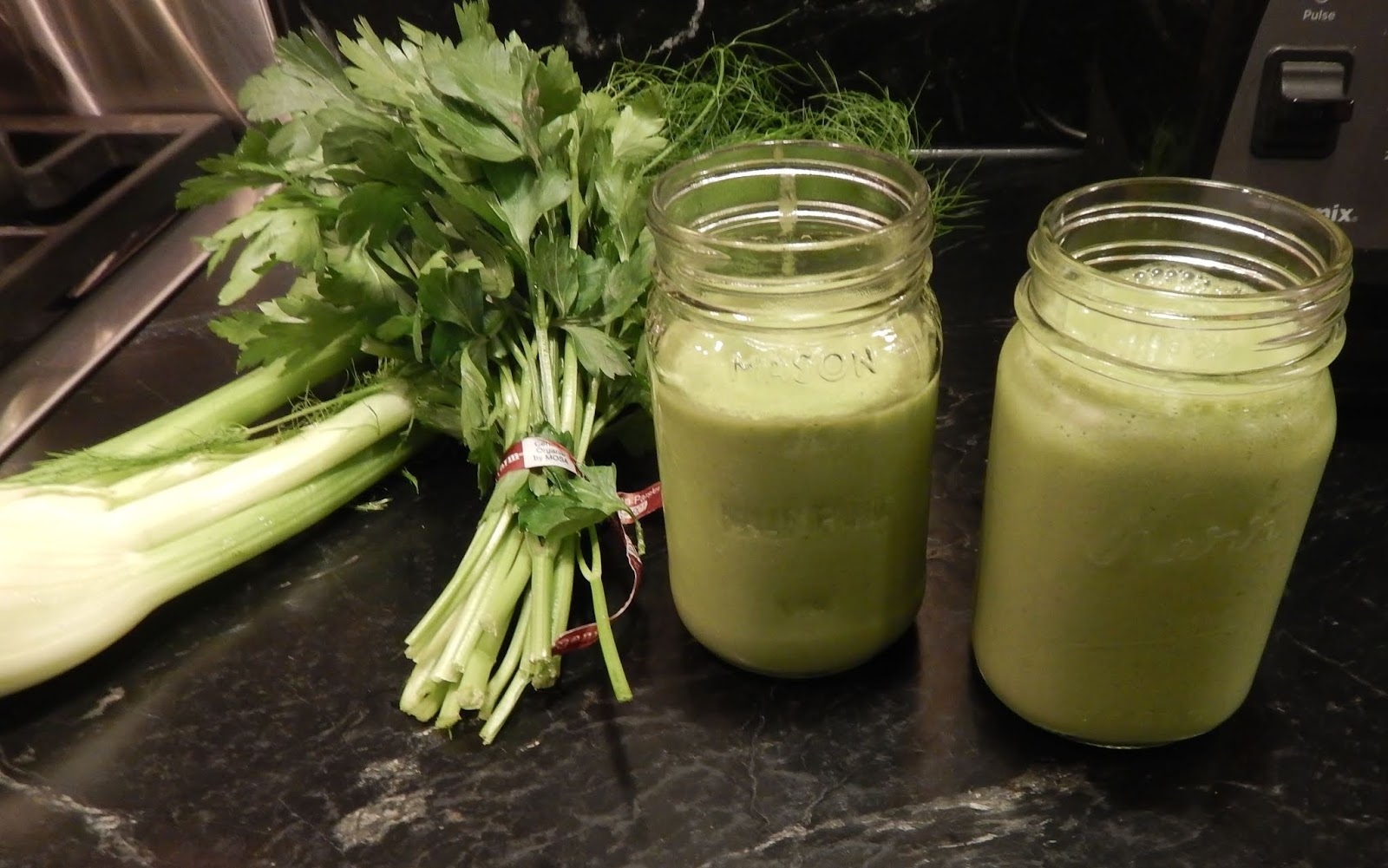
smoothie, but decided to try this Fennel
Ginger Smoothie (see below). It’s packed with nutrient dense vegetables
that are great for both energy as well as aiding in digestion. It’s very refreshing and is great for
breakfast or an afternoon pick-me-up.
I’ve also never had fennel and strawberries paired together, so I was
intrigued by the recipe for Strawberry,
Fennel and Orange Salad (see below).
This is a delicious, simple salad that is so refreshing. It will go nicely served with grilled chicken
or fish, and I have to say I really like the combination of strawberries and
fennel! The third recipe I’ve included
below is for Candied Fennel (see
below). I wanted to try this recipe
because I was looking for more ways to use fennel stalks. This recipe takes some time, but it is super
easy to make and you really don’t have many action steps. It just takes time to dry the fennel after
it’s candied. The nice thing about this
recipe is that you also get a delicious fennel simple syrup as a byproduct of
the candied fennel. I was surprised when
I tasted the syrup—it has a lovely, mild, floral flavor and would be a great
sweetener to use in hot or iced green tea, lemonade, cocktails, etc. Kelly even suggested using it to make
strawberry lemonade!
 |
| Shaved Fennel and Beet Greens Salad |
We’ve been looking forward to fresh beets and they are finally
ready! Beets and fennel are an early
summer combo and pair very nicely together.
Of course I’m going to remind you to eat the beet greens too! They are delicious and you can use them as
you would use chard or other cooking greens.
It would be a shame to throw them away!
We have a few recipes in our archives that I like to pull out this time
of year. Consider this Shaved Fennel and Beet Greens Salad. It’s a light, refreshing salad that will keep
you hydrated on a hot summer day! It’s
dressed with a light lemon-honey vinaigrette and garnished with feta cheese and
chopped nuts. Another popular
beet-fennel combo recipe from our past is Caramelized Fennel & Beet Pizza. Even people who don’t care for fennel and
beets typically like this recipe!
It’s a salad kind of week, both because we have a lot of great salad
ingredients in the box and because it’s finally hot and it’s nice to have cool,
refreshing meal options. Did you notice
that big, beautiful head of Red Summercrisp lettuce in this week’s box?! There are several meals in that crispy head
of beautiful lettuce. In addition to the
Strawberry, Fennel, and Orange Salad mentioned above, this recipe for Salt-Roasted Beets with Goat Cheese & Toasted Walnuts caught my eye.
The beets are the star of this salad that is served on a bed of lettuce.
 |
| Red Lentil Soup with Amaranth Greens |
We certainly have a lot of color going on in this
box, including the gorgeous red amaranth greens! If you’ve never used amaranth before, don’t
be intimidated by it. It’s easy to use
and at this size, it’s best used as a cooking green. It’s a very nutritious green and has a mild
flavor. Last year we featured this
recipe for Black Beans with Amaranth. It’s such a simple recipe, but it’s so
delicious. Another recipe I like to make
every year is Red Lentil Soup with Amaranth Greens. I know it’s hot outside now, but this soup
does make a nice, simple dinner along with a salad and maybe even a piece of
crusty bread.
This is a big week for broccoli &
zucchini. There’s a substantial amount
of both items in your box this week.
First off, if it’s more than you can use fresh, both of these vegetables
can be frozen. Broccoli needs to be
blanched first (lightly cooked and then rapidly cooled), but zucchini can be
shredded and frozen raw. I put some of
both in the freezer last year and I was very happy to have them when February
rolled around! Earlier this week this
recipe for Broccoli Salad came into my email from Love & Lemons
blog. It is simply called “broccoli salad.” It’s raw broccoli with onion, dried
cranberries and smoky tamari almonds—very simple, but makes for a tasty combo
and is a good option for a holiday barbecue or picnic! I also have my eye on this Macaroni & Cheese (& Broccoli) Casserole, another
great dish to take to a 4th of July cookout or a
nice side dish for a weekend meal to accompany grilled ribs or chicken.
 |
| Baked Cheesy Zucchini Bites Photo from MelsKitchenCafe.com |
As for the zucchini, one of our members shared this recipe in our
Facebook Group for Vegetarian Zucchini Noodle Pad Thai. I have to give this one a try—it looks
delicious! I also have this recipe for Zucchini & Dark Chocolate Chunk Pancakes with Maple Yogurt in the cue for Sunday morning brunch.
Now that we have a main course and a breakfast covered, lets talk about
appetizers. These Baked Cheesy Zucchini Bites would make a nice appetizer to enjoy with a glass of wine or include them as a
side dish with your main meal. The
author of this recipe also mentions they can be frozen and are adaptable to
different kinds of cheese. If you like
them, shred some zucchini and freeze it—you can make these when zucchini is out
of season…perhaps they’d make a tasty snack for Super Bowl 2020?!
I didn’t think we’d have sugar snap peas for this week, but they made
it. Unfortunately we aren’t going to
have many peas this summer, so we have to make the most of them this week! Stir-fry is always on my list of things to
make in early summer and this week I’m going to try this Chicken, Broccoli & Sugar Snap Pea Stir Fry. My other go-to sugar snap pea recipe is so
simple, but so delicious. Peas & Scallions is simply sugar snap peas quickly sautéed with scallions. It takes less than five minutes to
make—nature’s fast food.
 |
| Goat Cheese & Strawberry Breakfast Tarts, photo from saveur.com |
Alright, we’re rolling into the home stretch. The only item remaining is strawberries. Rain, storms and high humidity are weather
conditions we hope to avoid during strawberry season, but unfortunately that’s
what we’ve received the past week. It’s
been really hard on the strawberry field, which makes us appreciate every berry
we have even more! So as our strawberry
season winds down, I hope you’ll enjoy these final sweet berries and use them
to make something delicious. Check out Saveur’s Best Strawberry Recipes which is an extensive collection of strawberry recipes including Strawberry Lemonade Ice Pops and Goat Cheese & Strawberry Breakfast Tarts. I also found this recipe for Strawberry Tabbouleh that I want to try before the season is done.
It looks like a really refreshing salad and includes basil and
mint.
That wraps up this week’s box contents.
We’re hoping to see more cucumbers coming in next week along with green
top carrots and tender sweetheart cabbage!
Peppers and green beans have set on blossoms, so it won’t be long before
we’re munching on those vegetables as well.
Have a great week and I’ll see you back here next week!—Chef Andrea
Vegetable Feature: Fennel: The Three In One Vegetable
By Andrea Yoder

When it comes to fennel, there are typically two groups of people. Those who love it and those who are still learning to like it. If you are in the latter group or you’ve never tried fennel before, I encourage you to approach this week’s vegetable with an open mind. I wasn’t exposed to fennel until my college years, and even then I was skeptical of it when someone told me it tasted like black licorice. My mom used to chew black licorice gum that I thought was horrid! While fennel does have an anise flavor similar to licorice, it’s not the same as black licorice candy. I have grown to really appreciate fennel and am excited to share a whole slew of recipe ideas for how to use this vegetable! I’ve tried to be very thorough with my research for this week’s article and pushed myself to “think outside the box” and go beyond traditional uses for fennel. I’d encourage you to visit our blog this week as I’ve included links to 25 recipes utilizing fennel. At
the end of this article I’ve include 25 links
to recipes utilizing fennel, so hopefully there is something on that list that
will spark your interest!
One of the unique characteristics about fennel is that all parts of the plant above ground are usable. The white bulb is the most commonly used portion, but the stalks and feathery fronds that extend from the bulb are also edible. The stalks can be more tough and fibrous, but they have a lot of flavor. The feathery parts that resemble dill are actually called fronds. They have a mild flavor and can be used more like an herb.
 |
| Pasta with Golden Fennel |
Fennel may be eaten raw and cooked. It pairs well with a variety of ingredients and flavors, so when you’re looking at recipes you’ll likely see similar ingredients show up time after time. Fennel pairs well with lemons and oranges as well as herbs such as dill, parsley and basil. It also plays well with beets, tomatoes, celery, onions, carrots, pomegranate, apple, stone fruit and berries. It is often used in dishes along with Parmesan, cream and white wine which come together to make a delicious sauce. Lastly, fennel pairs very well with seafood, especially in soups and chowders, and pork products including sausage, pancetta, prosciutto, fresh pork cuts and more. While most think of fennel as a vegetable to use in savory dishes, it can also be used in sweet preparations paired with honey, citrus, berries, etc.
In addition to its culinary value, fennel has some health benefits. It can soothe the stomach and GI tract, thus it’s often used to help with digestion. It can also freshen breath and has other potential health benefits including being antibacterial and working as an antioxidant to remove free radicals in our bodies. It is high in fiber and vitamin C in particular.
 |
| Fennel Martini, photo from foodnetwork.com |
The stalks and bulb typically have the strongest flavor. If you enjoy the flavor of fennel, you’ll likely enjoy it raw. I have one very important point to make about eating fennel raw. It must be sliced very thin, like paper thin! Fennel bulb is very fibrous and dense. If you slice it thinly it is more tender and enjoyable to eat, plus it mingles better with other flavors in the dish. In its raw form, fennel bulb is often used in simple raw salads and can also be used in fresh salsas, pickled, or preserved in alcohol to make your own digestif. When you cook fennel, the essential oils that give it its distinct flavor and aroma volatilize and the flavor and aroma of fennel mellow and become more mild and sweet.
The stalk can be eaten, but seldom is. Rather it is often used for flavoring. I like to save the stalks and add them to vegetable or meat broth or just stick the whole stalk directly into a pot of soup to flavor it while cooking and then pull it out before serving. It can also be used as a stirring stick for cocktails or use it to flavor water, lemonade, etc. One of our featured recipes this week is for Candied Fennel Stalk. I gave it a try and really like it! What a great way to enjoy the stalk! You can munch on candied fennel after a meal and get the benefit of settling your stomach while meeting the need for something a little sweet.
 |
| Fennel Frond Pesto Photo from WholeFoodBellies.com |
Last but not least, lets talk about the mild, feathery fronds. Chop them up and use them as a herb-like garnish on salads, stirred into soups, or as a final topping on a pizza. You can also blend them into smoothies and drinks or use them to make a cocktail, such as a Fennel Martini. I also found a recipe for making Fennel Frond Salt. It is shelf stable and can be used to season your own homemade sausage patties, use it to salt fish, roasted potatoes, cucumbers, cream sauces, etc. Of course, you can always make Fennel Frond Pesto, using only fennel fronds or you could blend in some fresh basil or parsley as well. Fennel Frond Pesto would make a lovely sauce for salmon, toss it with pasta, use it as a sandwich spread or mix it with mayonnaise and make a dipping sauce for fish or chicken strips!
Ok, that’s a lot of information and it’s time to get cooking. Be sure to wash the fennel bulb well before using. Sometimes a little dirt can get in between the layers. Cut the core out of the base of the bulb and you’re ready to go. Store fennel in a plastic bag in the refrigerator.
RECIPES FOR THOSE
WHO ARE STILL LEARNING TO LIKE FENNEL:
These recipes come from past newsletters and have received
positive member comments including ones like “I always struggle with fennel and
decided this is the last time I’m going to try it, but this is it—I finally
found a dish with fennel that I like!”
RECIPES UTILIZING
FENNEL FRONDS:
RECIPES UTILIZING THE STALK:
RECIPES UTILIZING
THE BULB:
Fennel-Ginger Smoothie
Yield: 1 quart (1 large or 2 small servings)
1 cup almond milk
1 cup spinach, chard or beet greens, roughly chopped
½ cup fresh Italian parsley, roughly chopped
¼ cup fresh lemon juice
½ inch piece ginger root, peeled
1 fennel bulb, chopped (approximately 1 cup)
1 cup frozen pineapple
½ cup ice
- Place all ingredients in the blender and blend until smooth. You can adjust the almond milk or ice depending on your preference for thickness.
- Drink immediately.
Recipe adapted from www.toopreciousforprocessed.com.
Note from Chef Andrea: While I’ve only tried this smoothie with frozen pineapple, I think it would also be good with frozen blueberries or strawberries.
Candied Fennel Stalk & Fennel Simply Syrup
Yield: ¾ cup candy and 1 ½-2 cups syrup
 |
| Photo from WashingtonPost.com |
1 cup sugar
1 cup water
1 ½ cups fennel stalks, cut on the diagonal into thin slices
- Preheat oven to 250°F. Line a rimmed baking sheet with parchment paper or a silicone liner.
- Combine the sugar and water in a small saucepan over medium-high heat. Cook, stirring, until the sugar has dissolved, about 5 minutes. Add the fennel and reduce the heat to medium. Simmer for 3 minutes, until the fennel is crisp-tender. Remove from the heat and let the fennel steep for 10 to 15 minutes, then strain the syrup into a container.
- Transfer the syrup-coated fennel slices to the lined baking sheet, spreading them in an even layer. Bake for about 30 minutes, then separate any fennel slices that are sticking together. Bake for 30 minutes more or until the fennel is dry, slightly crispy and just a bit sticky.
- Cool completely on the baking sheet before serving or storing. The candy can be stored in an airtight container at room temperature for up to 4 days. The syrup can be refrigerated in an airtight container for up to 2 weeks.
- You can munch on candied fennel after a meal and get the benefit of settling your stomach while meeting the need for something a little sweet. You can also add it to fruit salads or use it as a topping for baked goods & ice cream. The fennel simple syrup has a lovely mild floral-fennel flavor and can be used to sweeten beverages such as mocktails, cocktails, lemonade, tea, etc.
Recipe borrowed from www.washingtonpost.com
Strawberry, Fennel & Orange Salad
Yield: 4-5 servings

2 Tbsp fresh lemon juice
2 Tbsp extra-virgin olive oil
½ tsp sea salt
Coarsely ground black pepper, to taste
2 navel oranges
8 oz (1 pint or 1 ¼ cups) strawberries, hulled and quartered or halved
1 fennel bulb, thinly sliced lengthwise
3 Tbsp finely chopped fennel fronds
1 green onion, thinly sliced
6 cups torn head lettuce
Parmesan or sharp cheddar cheese, for serving
- In a medium mixing bowl, whisk together lemon juice, olive oil, salt and black pepper. Zest two oranges and add to the lemon juice mixture. Cut the bottom and top off of each orange so the top and bottom are flat. Use a knife to cut away the peel and pith by running the knife from the top of the orange to the bottom. Once the peel is removed, hold the orange in your hand and use a paring knife to cut out the segments, letting them fall into a bowl, along with the juice.
- Add strawberries, sliced fennel and fronds, and green onion to the bowl of orange segments and toss together gently.
- Put 1 to 1 ½ cups lettuce on each plate and spoon about ⅔ of the fennel and fruit mixture over the lettuce. Garnish with freshly shredded Parmesan cheese.
Recipe adapted from marthastewart.com


